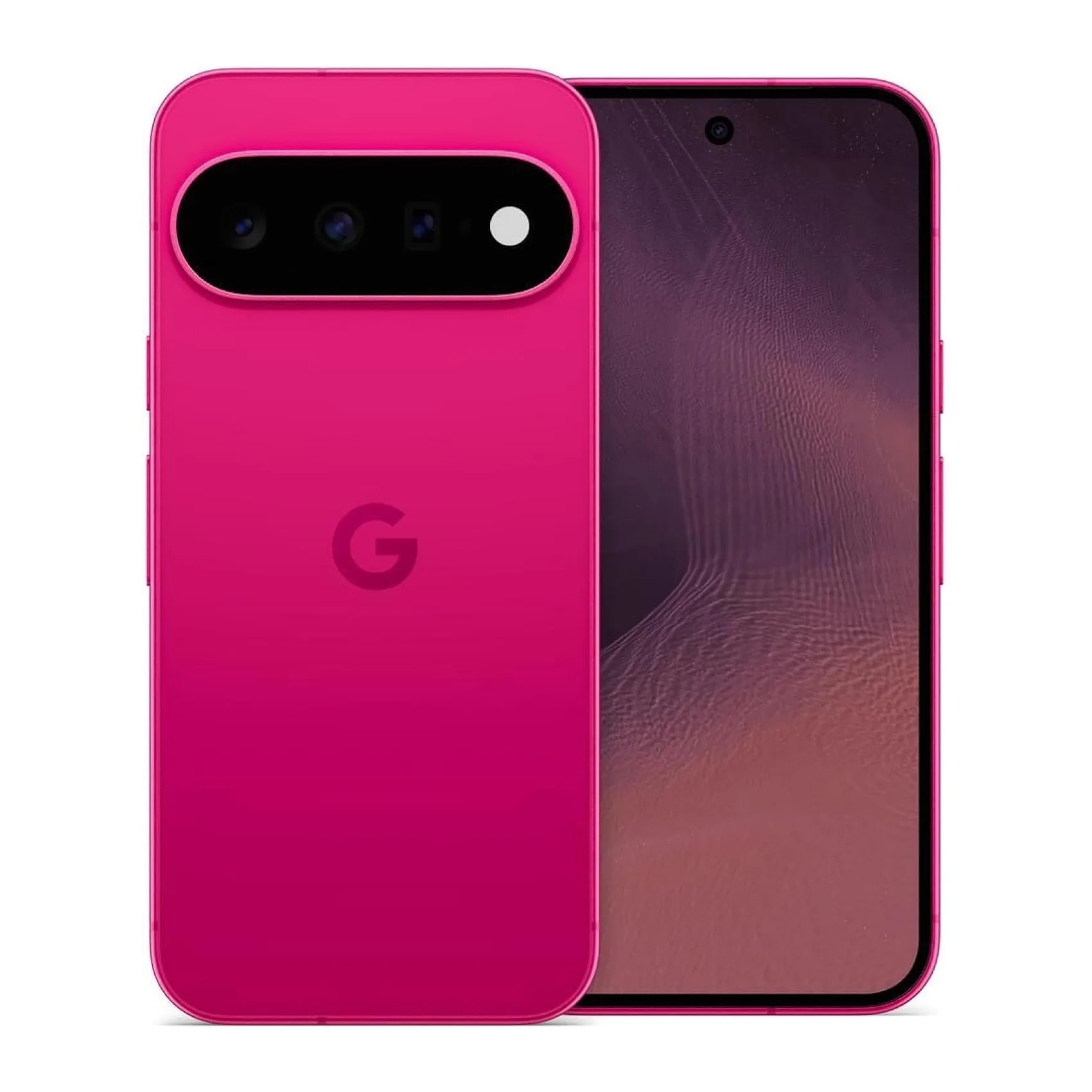
The core of the Pixel 11 experience is an expanded role for Gemini, which now acts as a digital agent capable of ordering groceries, scheduling appointments, and calling businesses on behalf of the user. To facilitate this, Google has integrated a suite of connected apps including OpenTable, Ticketmaster, and Zocdoc, allowing the AI to execute tasks across third-party services. A refined "Magic Cue" feature further surfaces contextual information from across these apps to offer proactive suggestions, while the new Rambler dictation tool aims to compete with high-end transcription services.
Photography remains a primary focus, albeit through software-driven enhancements. The "Magic Capture" feature extracts high-quality stills from video footage, applying automatic cropping and deblurring. Pro models receive a hardware boost with a new telephoto sensor promising 32% better light capture and a 120x zoom capability. Night photography is also accelerated via "Instant Night Sight," which Google claims functions 4.5 times faster than previous generations. Under the hood, the Tensor G6 processor provides a 20% improvement in power efficiency and supports 8K video recording.
Design tweaks are subtle, characterized by a new LED indicator surrounding the flashlight that signals when Gemini is active. Pricing for the series remains consistent with previous 256GB models, starting at $899 for the base Pixel 11, $1,099 for the Pro, and $1,299 for the Pro XL. All devices are available for pre-order, signaling a move toward a unified storage floor of 256GB across the entire range.
Comments (0)
No comments yet. Be the first!