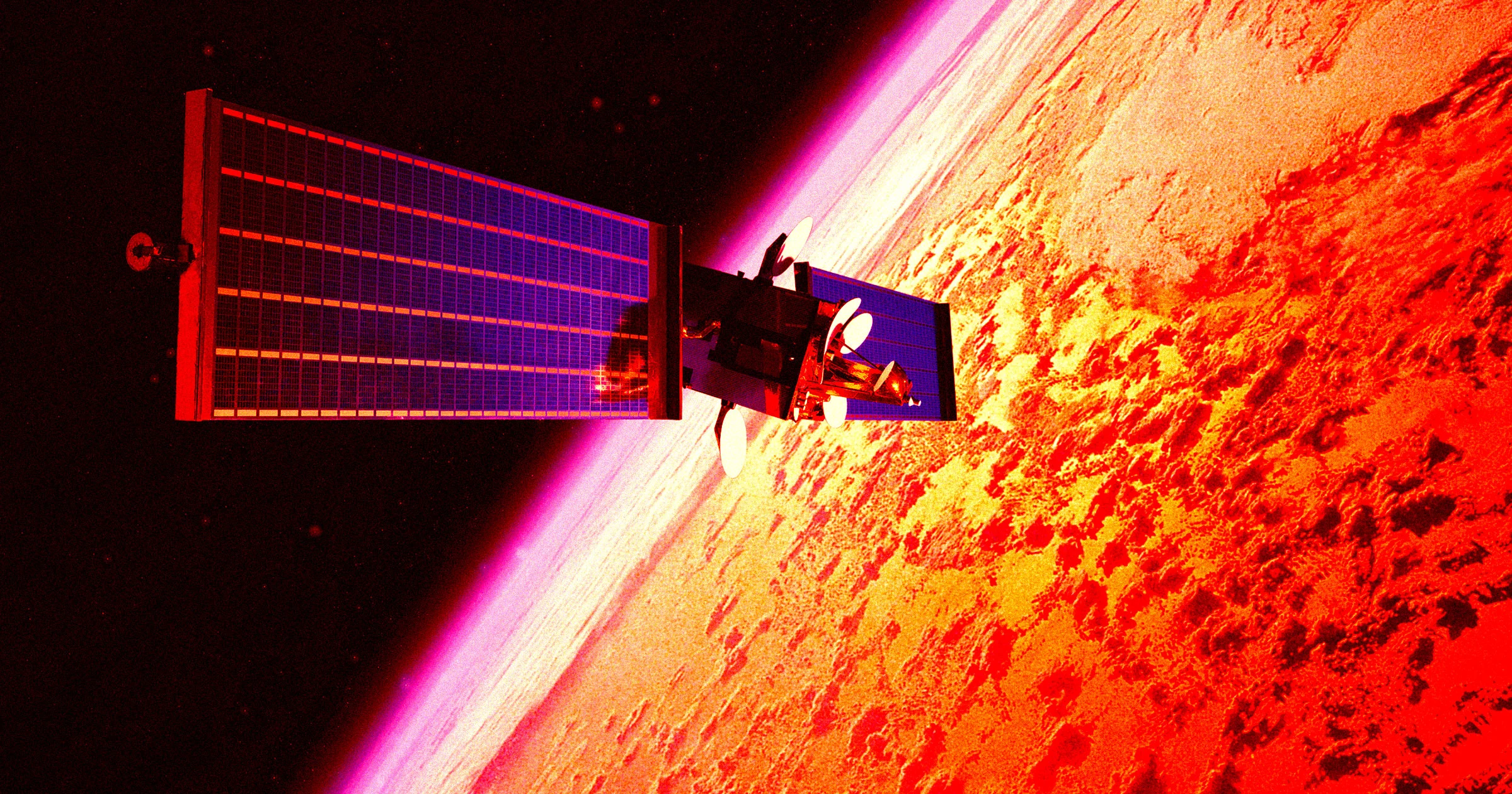
The capital injection, led by Manhattan West Ventures with contributions from Nvidia and Cisco, arrives as CEO Philip Johnston prepares for the 2028 retirement of SpaceX’s workhorse Falcon 9 rocket. With competitors like Blue Origin’s New Glenn and ULA’s Vulcan yet to establish regular flight cadences, Starcloud is aggressively stockpiling launch capacity. The company has already requested FCC permission to operate 88,000 satellites, aiming to shift AI inference tasks from terrestrial data centers to orbit.
Starcloud currently distinguishes itself as the only firm operating an Nvidia H100 GPU in space. This technical track record helped secure a $25 million investment from Nvidia, which is now collaborating with the startup to develop the Vera Rubin Space-1 chip. Designed specifically for the harsh environment of low Earth orbit, the new hardware is expected to fly by late 2028. To support this growth, the 25-person company is standing up a 100,000-square-foot production facility in Woodinville, Washington, positioning its operations near major aerospace hubs.
Despite the tightening supply of rockets, Johnston remains tethered to the success of SpaceX’s Starship. The company’s long-term viability hinges on Starship’s ability to drastically lower launch costs, a prerequisite for building a functional orbital inference layer. While Starcloud plans to launch its 8-kilowatt Starcloud-2 compute satellites on rideshare missions in 2027, the company is also exploring dedicated launch contracts to insulate itself against the potential market volatility following the Falcon 9’s phase-out.
Comments (0)
No comments yet. Be the first!