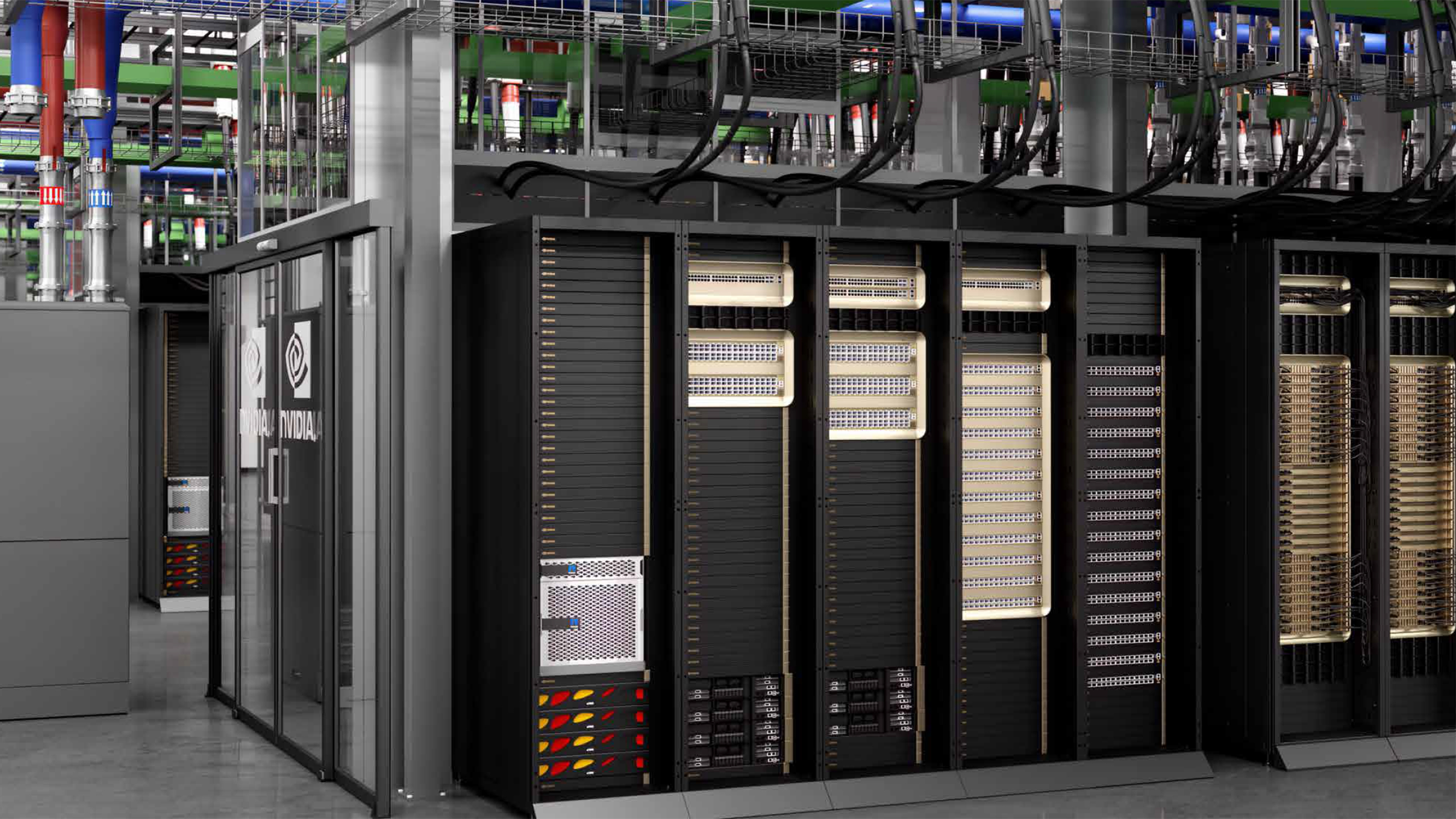
The company’s latest Vera Rubin architecture signals a departure from purely GPU-centric growth. By pairing the Rubin GPU with the Vera CPU and the Groq 3 LPX inference accelerator, Nvidia is effectively building the entire vehicle around the engine. This strategy addresses a critical bottleneck: memory and data flow. As Jason Hardy, Nvidia’s VP of storage technology, noted, the Vera CPU acts as a traffic controller, allowing flash storage to operate at peak potential without stalling the primary processors. Hardy reported that this integration yields a 3x improvement in operational efficiency.
This shift highlights a broader industry realization that raw compute is increasingly becoming a commodity. Rivals like OpenAI are attacking the same problem from a different angle; their Jalapeño chip is engineered to minimize data movement entirely by keeping workloads within a single, integrated domain. While the methods differ, the objective is identical: driving tokens-per-watt lower through intelligent orchestration. Nvidia currently holds a commanding lead in this space, but the competitive landscape is rapidly evolving. The next generation of AI infrastructure will be defined by how effectively companies manage the complex, high-speed movement of data across the entire rack.
Comments (0)
No comments yet. Be the first!