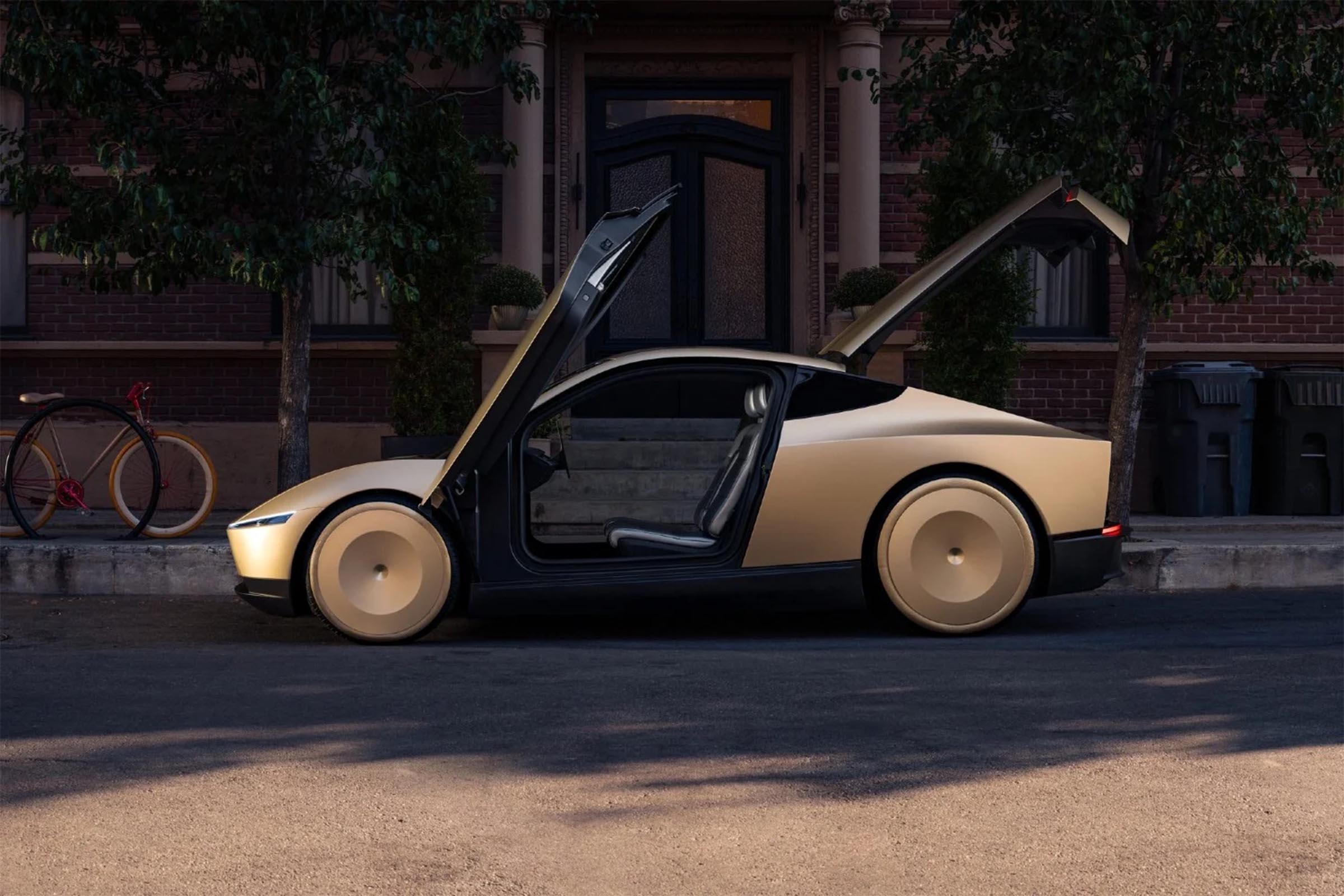
Tesla has explicitly barred children under 13 from riding in the Cybercab, a policy that marks a departure from its broader Robotaxi service, which permits minors between 8 and 17 to occupy Model Y SUVs. The hardware design further complicates family transit: the Cybercab lacks standard LATCH anchors, requiring child seats to be secured via seat belts. While Tesla frames the removal of components as a cost-saving necessity, the decision to omit standardized safety anchors raises questions about the vehicle’s accessibility for families.
The engineering choices prioritize electronic simplification over mechanical redundancy. The vehicle utilizes a brake-by-wire system, replacing hydraulic lines with electronic actuators to eliminate plumbing complexity. Inside, Tesla has opted for electronic door latches, though it included a manual release on the armrest—a response to ongoing scrutiny regarding passenger egress during emergencies. The windows, however, remain a point of mystery; current documentation states they cannot be fully opened, a limitation for which the company has offered no explanation. Meanwhile, the National Highway Traffic Safety Administration has already launched an investigation into the Cybercab’s deployment, signaling a high-stakes regulatory battle over the safety of a car that relies entirely on cameras and AI to navigate public roads.
Comments (0)
No comments yet. Be the first!