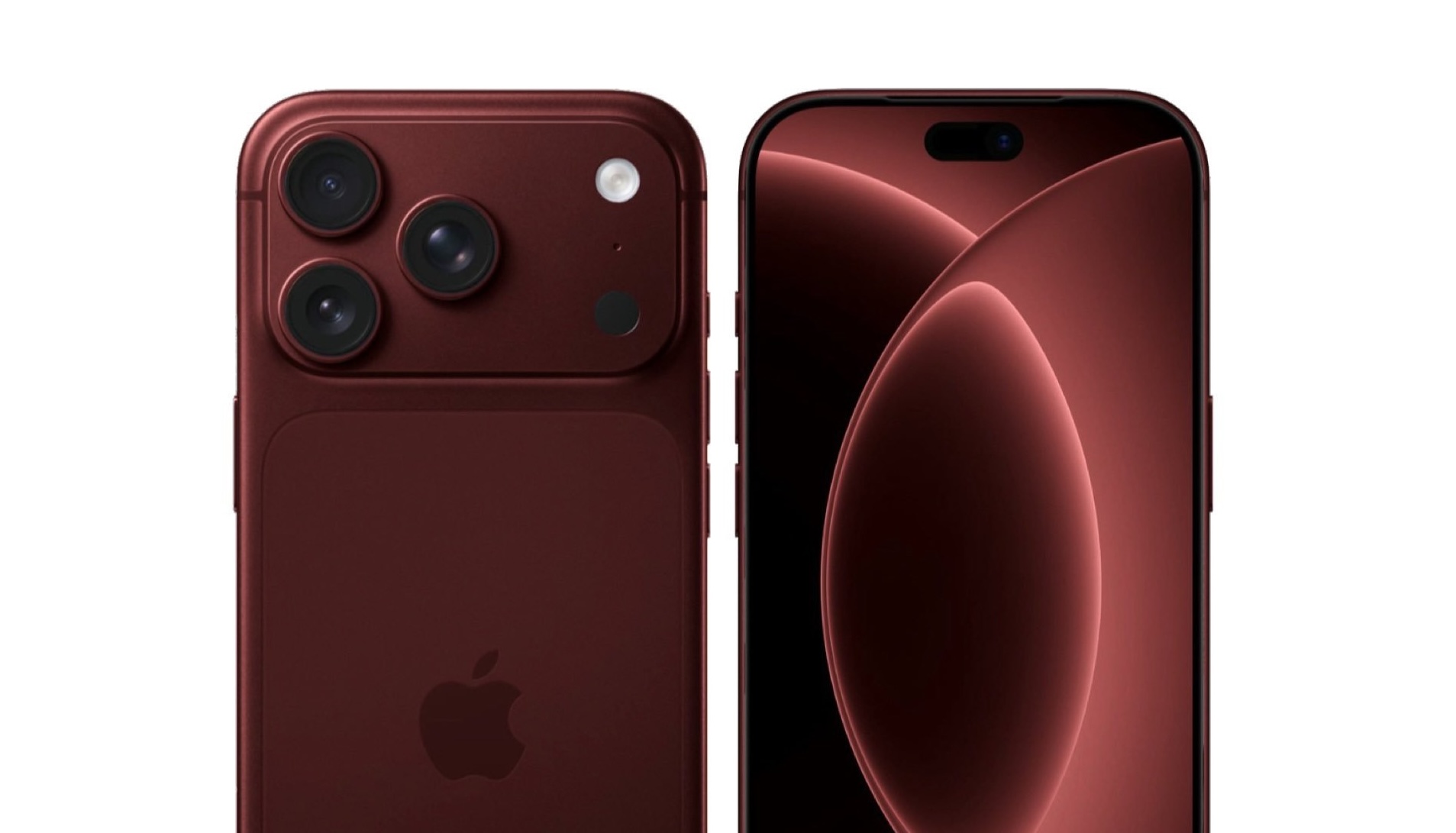
The rapid expansion of quick-commerce platforms reflects a shifting retail landscape in India. While these apps were originally designed for household staples, non-food categories now represent a growing share of the sector, which reached $9 billion in the first half of 2026. Projections from Google and Deloitte suggest this market could hit $50 billion by 2030, with electronics and fashion driving nearly half of that expenditure.
On launch day, consumer demand proved immediate. BigBasket reported over 300 units delivered within the first hour, while Instamart noted that the 256 GB Burgundy iPhone 18 Pro was its most requested model. Bengaluru and Delhi emerged as the top hubs for these rapid-fire transactions, though stock levels fluctuated as availability became patchy by the afternoon.
Analysts view this trend as a distinct proof of concept for premium device distribution. Tarun Pathak of Counterpoint Research described the service as a viable channel for high-end hardware, provided the initial launch-day excitement can evolve into sustainable, long-term purchasing habits. Navkendar Singh of IDC added that the success of these deliveries hinges on the established trust urban Indian consumers have built with these apps through their daily grocery habits. For now, the service functions primarily as a high-visibility marketing tool, offering instant gratification to those eager to bypass traditional retail queues.
Comments (0)
No comments yet. Be the first!