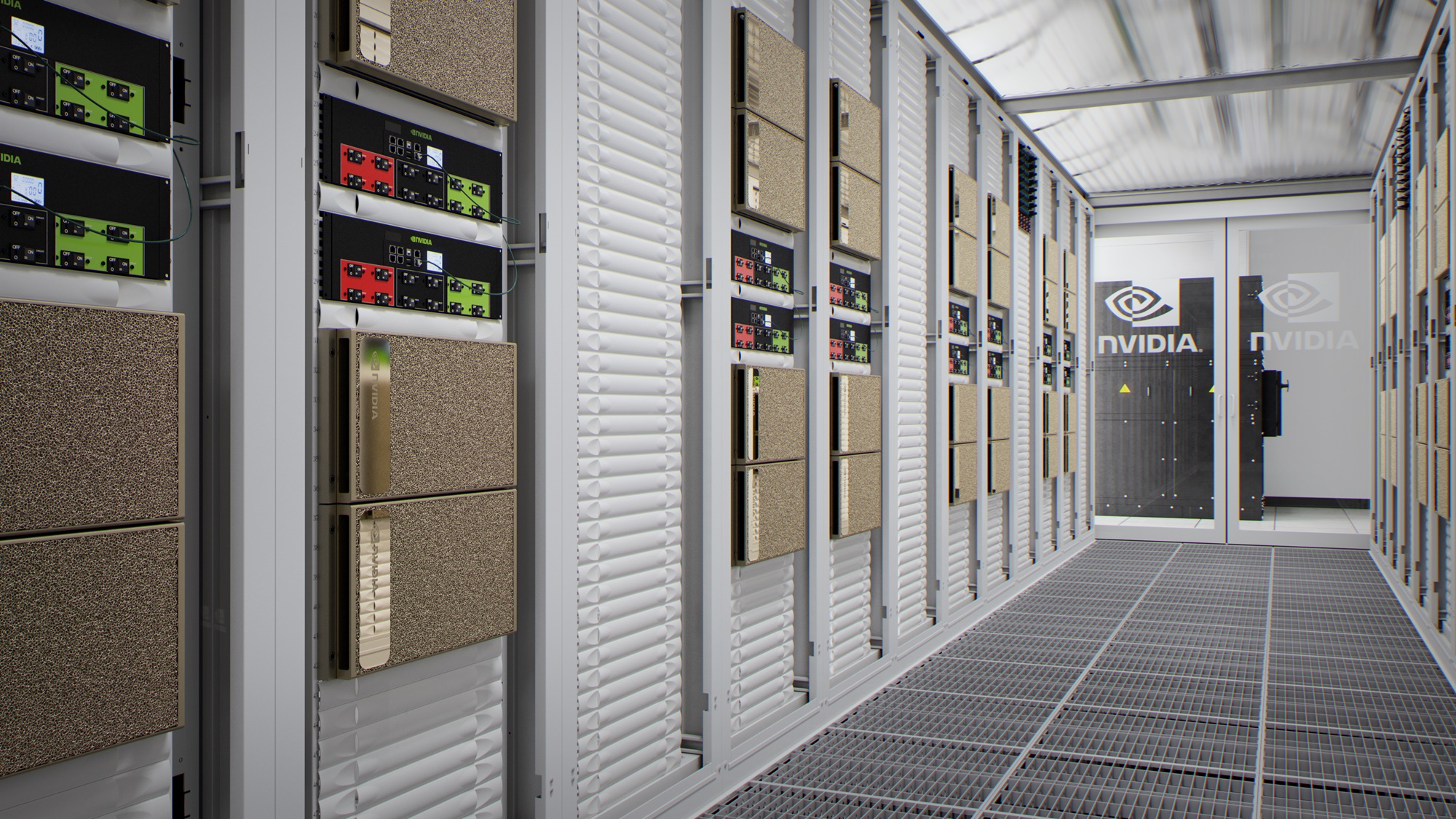
The company’s cooling system circulates coolant in a closed loop, pumping it into racks at 45°C and removing heat as it exits at 55°C. In optimal climates, this process allows passive radiators to dissipate heat without relying on evaporative cooling or fans. According to Josh Parker, Nvidia’s chief sustainability officer, this advancement largely resolves the data center water challenge. However, this assessment relies on drawing a strict boundary around the facility, ignoring the water-intensive reality of the grid.
Electricity generation remains a primary driver of water consumption. Fossil fuel plants, which account for roughly half of current data center power, require significant water for cooling. Coal plants use approximately 2.2 liters per kilowatt-hour, while natural gas plants consume 1.17 liters. Even hydropower reservoirs lose significant water to evaporation. Because natural gas and coal are projected to supply over 40% of new energy for data centers through 2030, the total water footprint of the AI industry will continue to climb. While Nvidia’s innovation improves internal efficiency, it addresses only a fraction of the total consumption tethered to the power grid.
Comments (0)
No comments yet. Be the first!