Dynamic pricing became a cautionary tale in 2024 after Wendy’s faced immediate public outcry. Labeling the concept as surge pricing, critics forced the chain to retreat, chilling the industry’s appetite for software that adjusts costs based on demand. Juicer, a firm specializing in such tools, reported that brands now fear becoming the next target of a consumer boycott.
Subscription programs, once hailed as a way to guarantee customer loyalty, also faltered. Taco Bell, Sweetgreen, and Dickey’s shuttered their models after realizing the math did not support long-term growth. These services primarily rewarded frequent patrons who were already committed to the brand, failing to influence the habits of occasional diners who drive genuine revenue expansion.
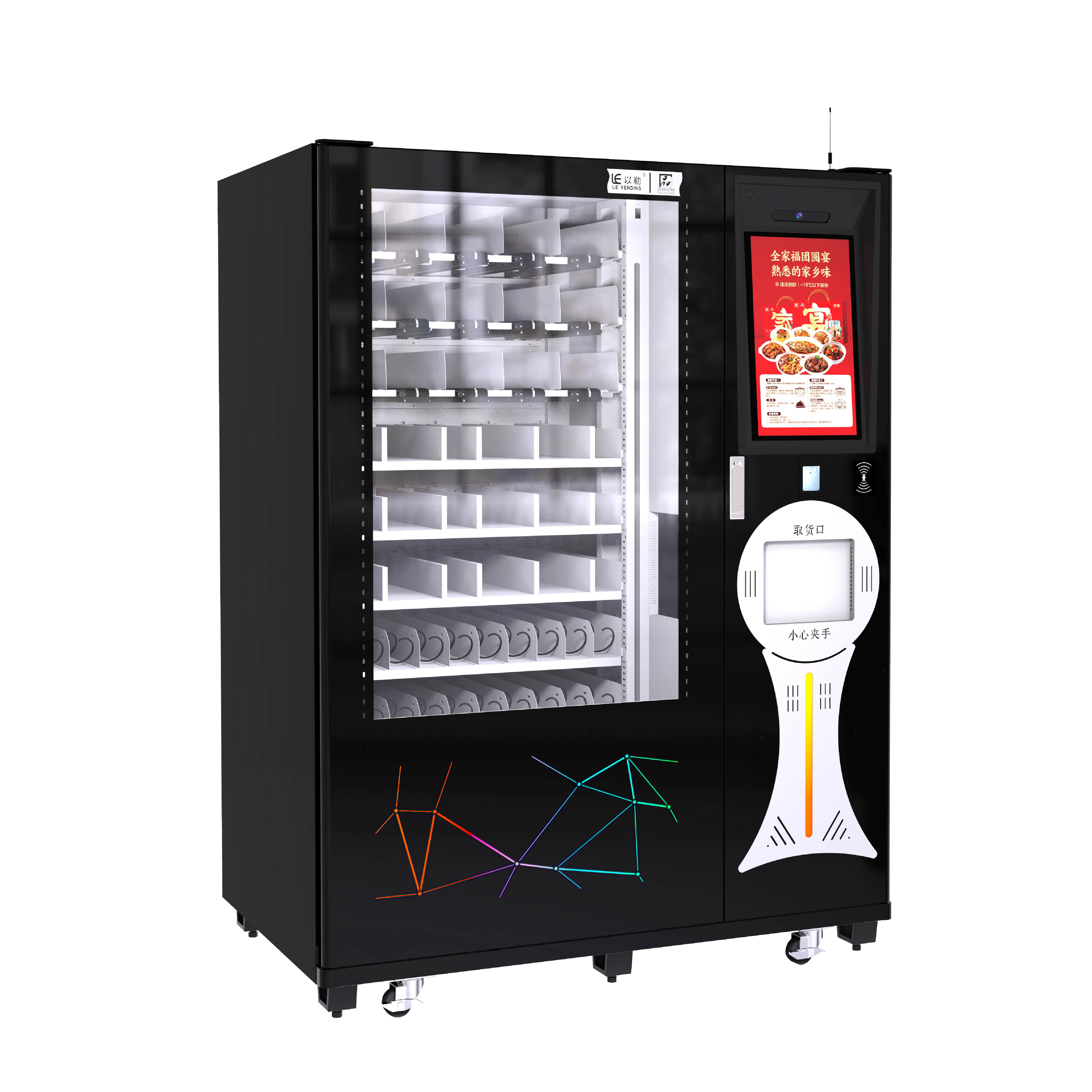
Finally, the dream of automated hot food vending failed to materialize. Companies like Chowbotics, Piestro, and RoboBurger launched with significant investment but struggled against a practical reality: American consumers are rarely far from a brick-and-mortar restaurant. Despite the technical sophistication of these machines, they could not compete with the accessibility and speed of established fast-food chains.
Comments (0)
No comments yet. Be the first!