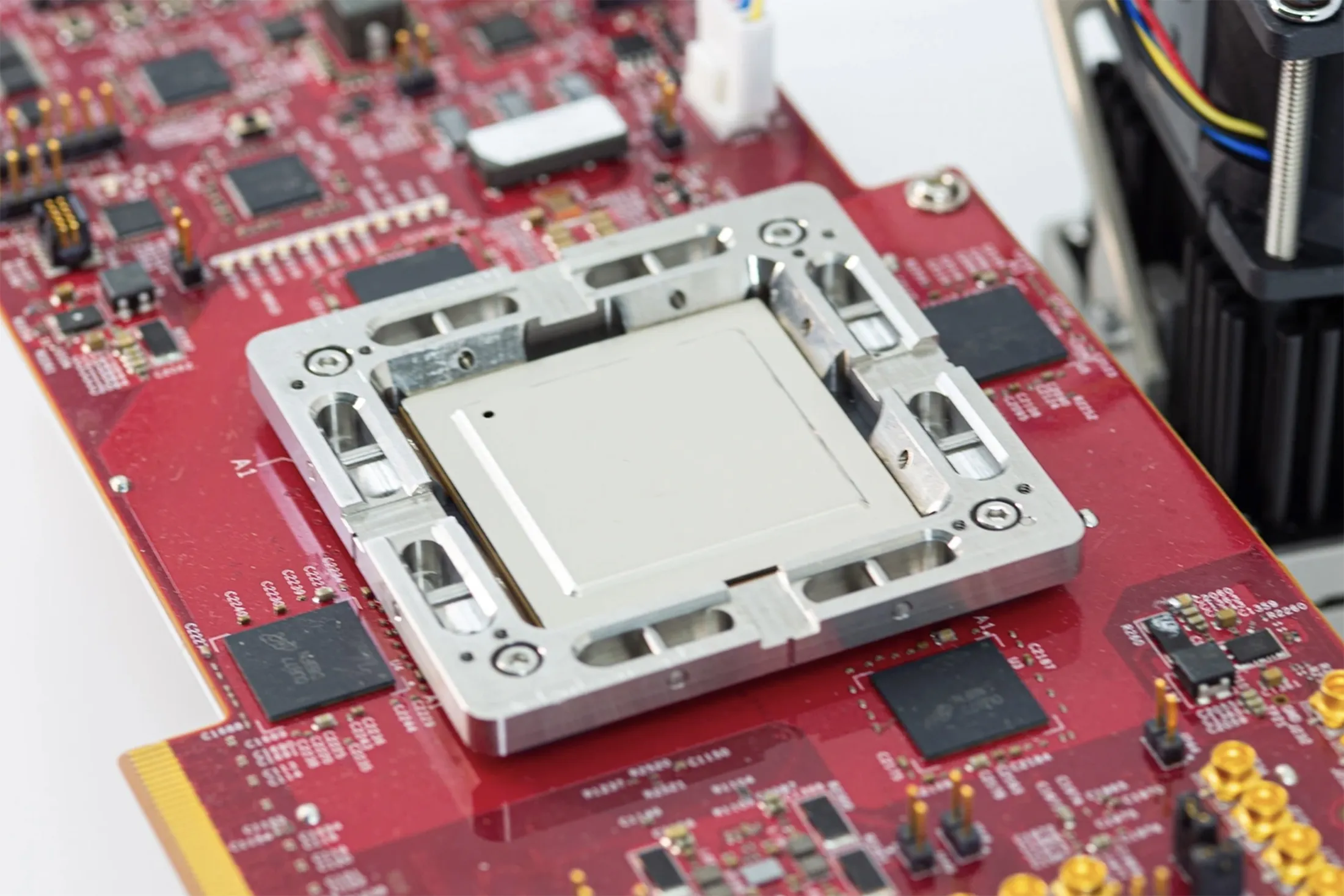
The upcoming production run centers on the latest iteration of Meta’s Training and Inference Accelerator (MTIA) program. By partnering with Broadcom for design and utilizing TSMC for manufacturing, the company is building a modular hardware ecosystem that integrates RAM from Samsung and storage components from SanDisk. This architecture is designed to evolve alongside the rapid shifts in AI requirements, allowing for quicker deployment cycles than traditional GPU procurement.
Meta’s financial commitment to this infrastructure is substantial. The company anticipates capital expenditures reaching up to $145 billion this year, largely driven by the massive computing capacity required to train its Muse Spark model series. Plans are already in motion to deploy 7 gigawatts of compute this year, with that figure slated to double in 2025. While Meta continues to maintain significant supply agreements with AMD and Amazon for cloud-based CPUs, the internal MTIA chips are intended to handle the company’s core ranking and recommendation algorithms.
This shift reflects a broader industry trend among tech giants seeking to reclaim control over their AI supply chains. OpenAI, Google, and Amazon are all aggressively pursuing internal processor development to mitigate the high cost of third-party hardware. For Meta, the move represents a strategic hedge against market volatility, ensuring that its infrastructure can scale as fast as its model development.
Comments (0)
No comments yet. Be the first!