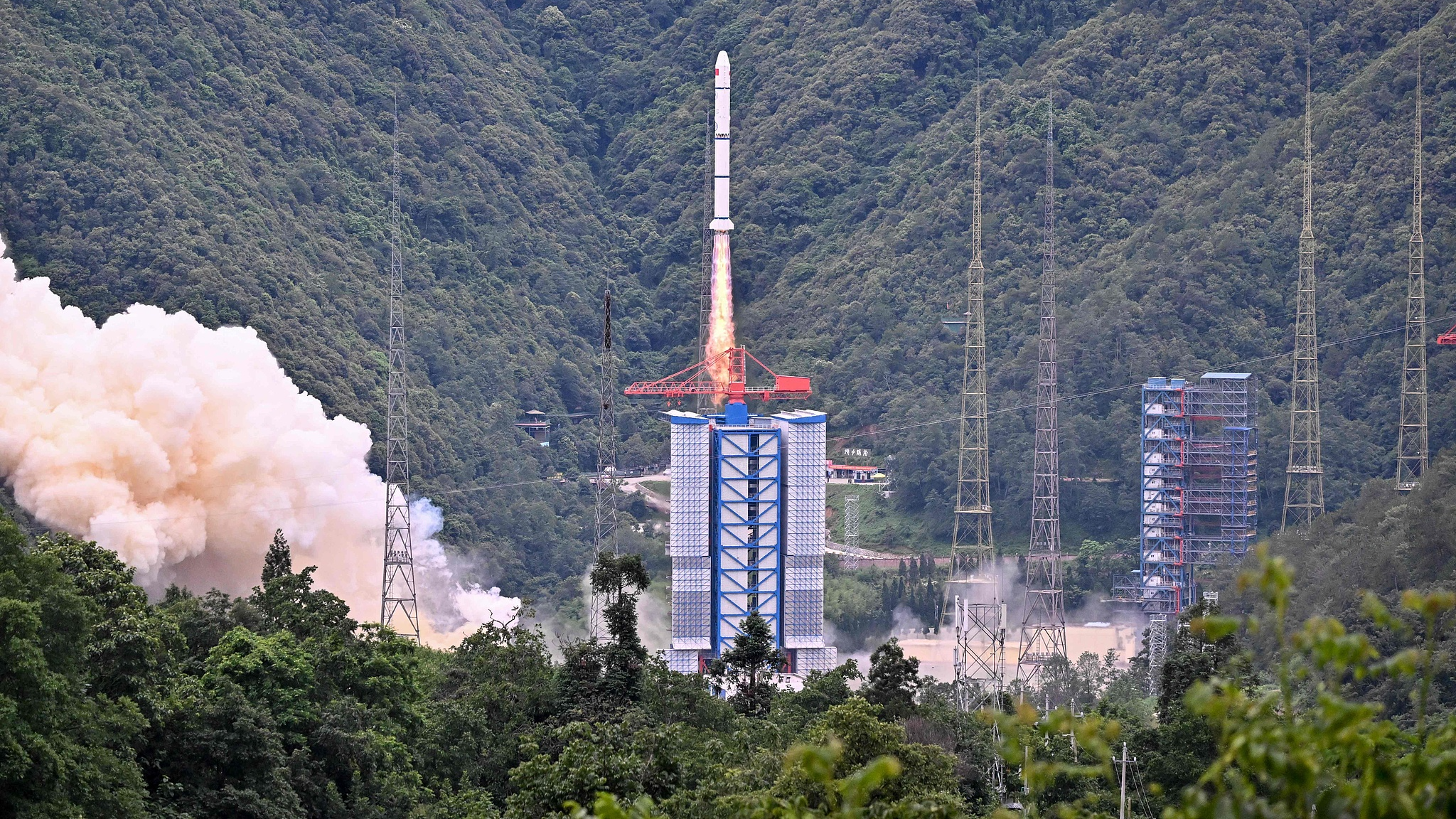
The demonstration marks a significant technical milestone for CASC, which plans to reuse the booster—a vehicle comparable in payload capacity to the Falcon 9—by the end of the year. Unlike the SpaceX method of deploying landing legs on a floating platform, the Chinese approach employs a specialized net system mounted on a recovery ship. This feat relies on precise guidance software, advanced sensors, and engines capable of surviving the thermal stresses of atmospheric reentry.
While national security regulations effectively partition the global launch market, the development poses a strategic challenge to SpaceX’s Starlink network. A successful reusable program would allow China to scale its own satellite communication infrastructure and orbital data centers, potentially eroding the U.S. advantage in regions like Africa, the Middle East, and Southeast Asia. This technological leap occurs amid heightened geopolitical friction, with recent reports indicating increased cooperation between Beijing and Moscow to counter the influence of Starlink. Meanwhile, domestic competitors such as Blue Origin and Stoke Space continue their own efforts to master reusability, though technical setbacks remain a persistent hurdle for the industry.
Comments (0)
No comments yet. Be the first!