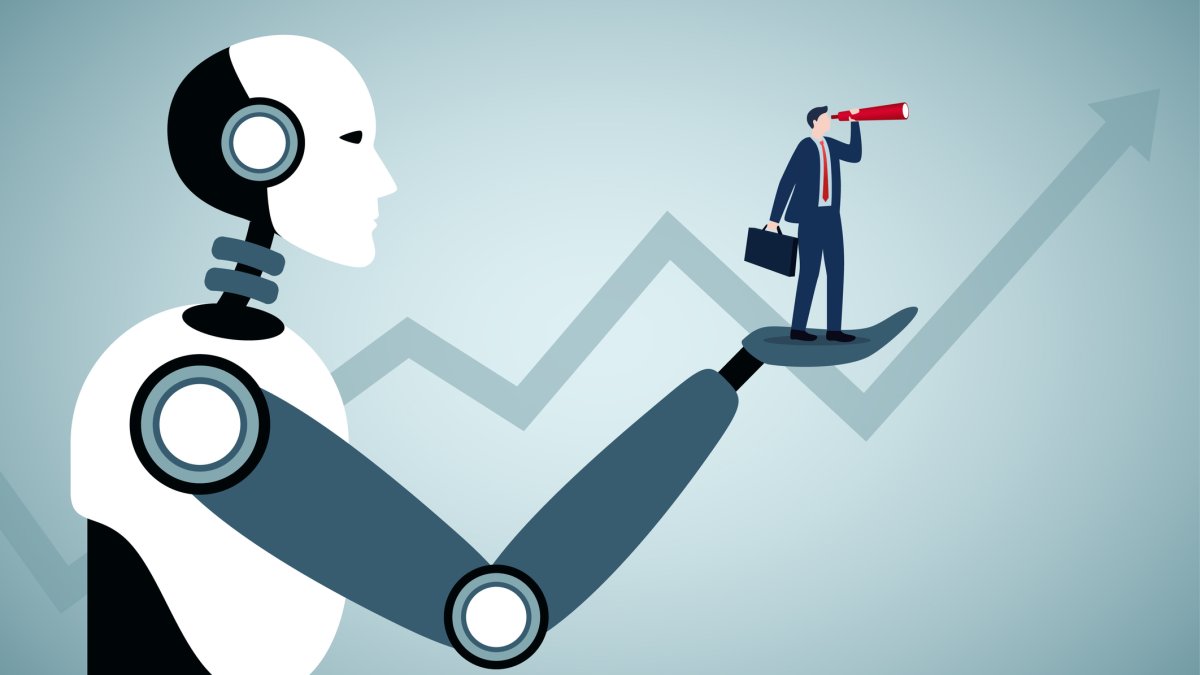
Businesses now face a steady sequence of changes, from adopting AI and adjusting products to reshaping sales channels as customer habits shift. Leaders must make choices with incomplete information, respond to setbacks and keep teams moving without ignoring risks. Their task is to stay calm without becoming passive, and persistent without mistaking stubbornness or activity for progress.
AI can speed up analysis, automate processes and lower operating costs, but people still set the company’s direction, judge strategic risks and build the teams that carry out its plans. That makes emotional intelligence, trust and delegation central leadership skills. A leader can step away from day-to-day control only when capable colleagues can take responsibility in their place.
The article also argues that business achievement is not a reliable measure of fulfillment. A person can outperform competitors and build a large company without securing a happy life. Persistent exhaustion may be a reason to examine not only workload but also the goals and lifestyle behind it. Understanding one’s needs, strengths and limitations can help align work with what a person genuinely enjoys and does well.
Happiness, in this view, is a changing balance rather than constant euphoria. It requires ongoing adjustments as circumstances shift. AI may help people analyze information and make decisions, but it cannot take responsibility for why they are in business or what kind of life they want. Leaders remain accountable for their choices and must retain authorship of their own paths.
Comments (0)
No comments yet. Be the first!