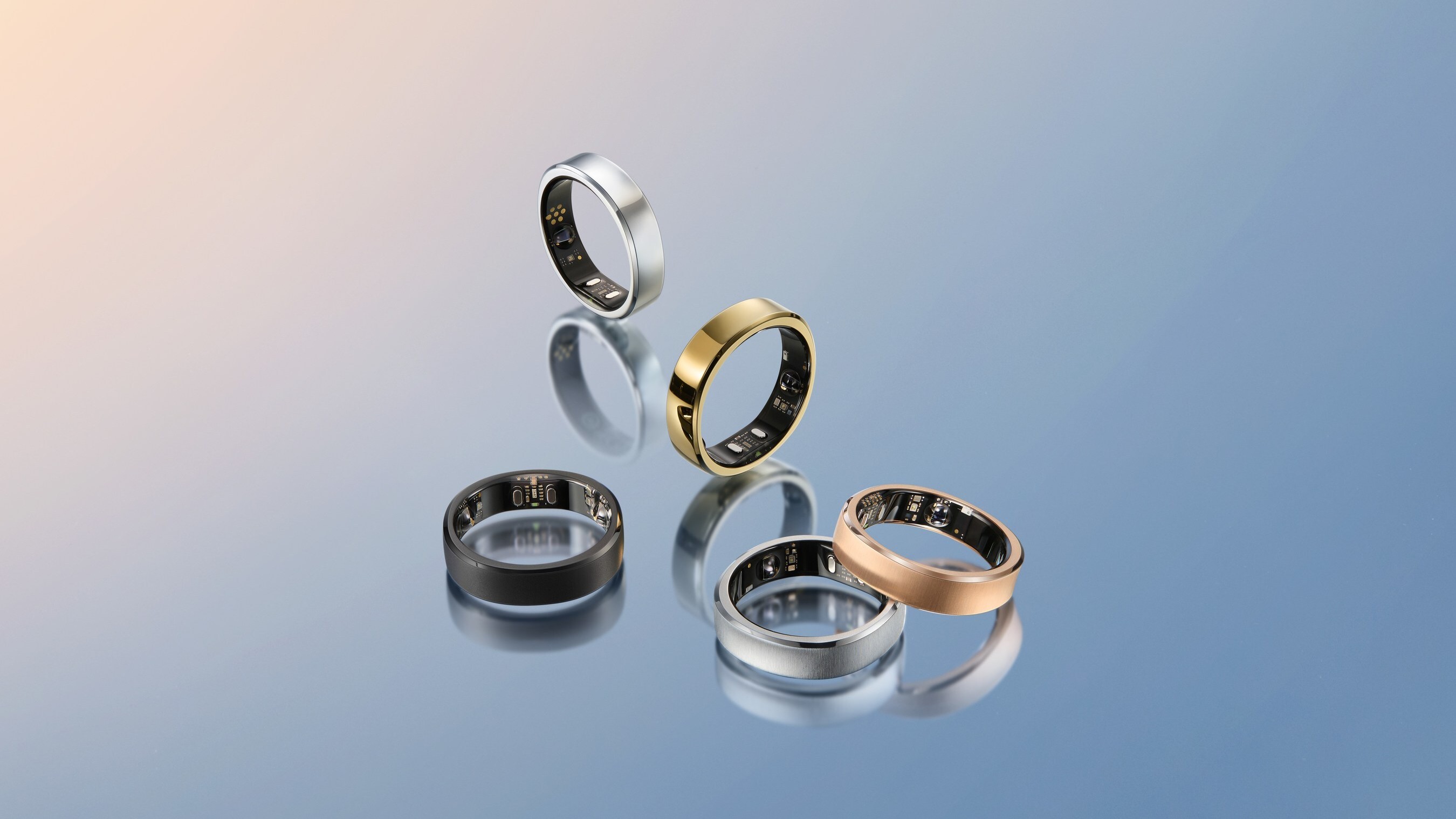
The hardware is undeniably attractive. At 2.3 mm thick, the rose gold finish blends into a stack of rings better than the bulky, screen-heavy trackers I have avoided for years. The sizing kit process is a necessary step, and the brushed metal build feels robust enough to withstand daily wear. I appreciated the passive, screen-less form factor, which aligns with a broader market shift toward unobtrusive wearables—a segment that saw 88% year-over-year spending growth according to Circana.
However, the utility vanished once I moved past the novelty of checking my heart rate. The tracking logic proved inconsistent, failing to recognize intense gym sessions while simultaneously logging a short walk to the mailbox as a formal workout. My primary motivation for the purchase was the advertised headache detection, meant to provide early warnings for my chronic migraines. When I suffered a severe, weekend-long migraine, the device failed to trigger any alert, instead informing me that I was in top form. With the core promise of the product failing when I needed it most, the $349 price tag became impossible to justify, leading me to reclaim my money within the return window.
Comments (0)
No comments yet. Be the first!