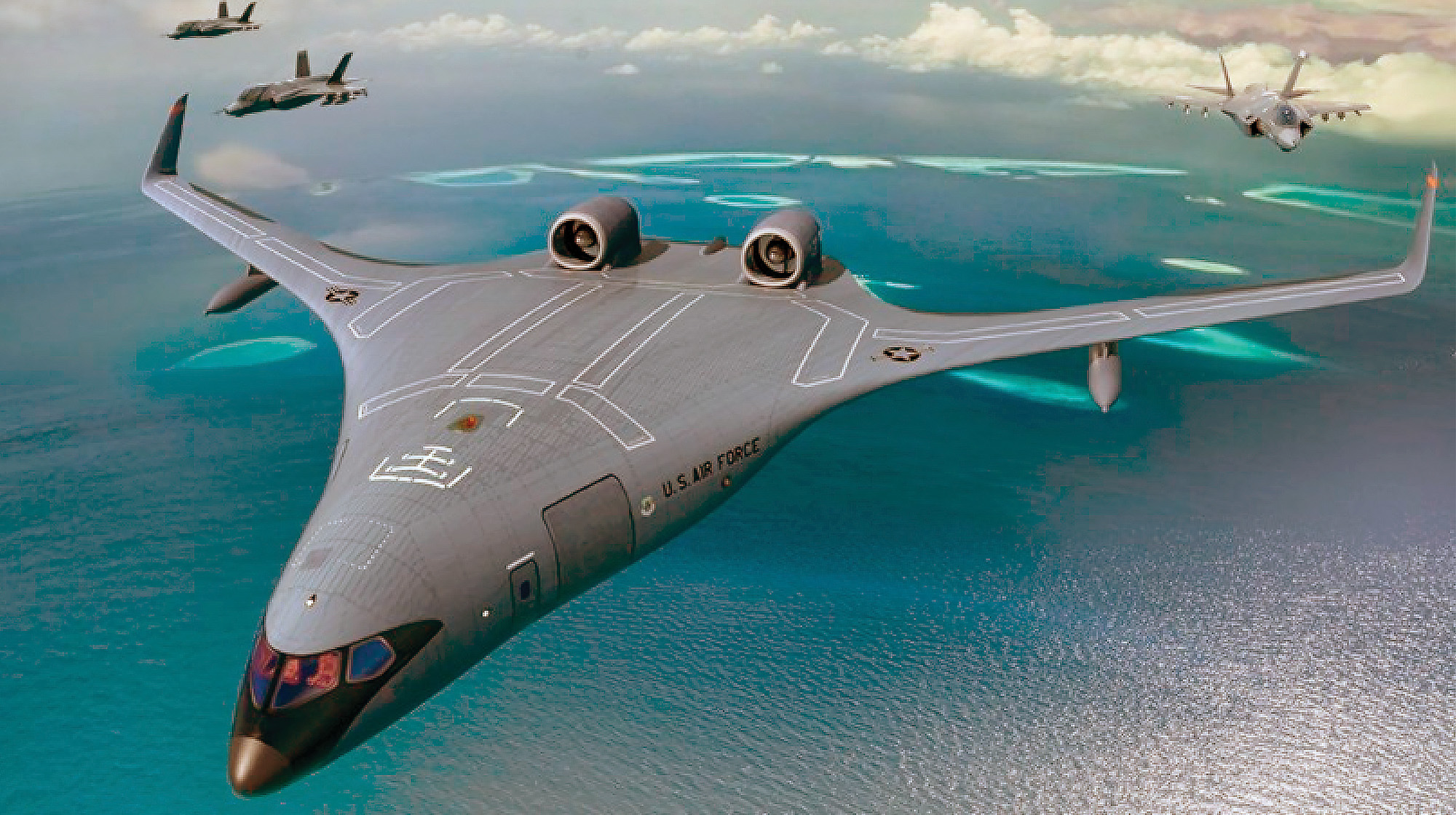
While the blended-wing concept has existed for decades, it has historically failed to reach commercial production. NASA and Boeing previously invested over $1 billion into similar research, and Airbus once explored the design before abandoning it as impractical. Critics remain wary, citing potential G-force discomfort for passengers seated in the wings, the psychological impact of a windowless cabin, and the logistical nightmare of managing emergency evacuations across a four-aisle layout.
CEO Tom O’Leary acknowledges these hurdles but insists the project is nearing reality. The $3 billion influx from the U.S. Export-Import Bank, contingent on domestic manufacturing, provides the necessary runway to build a prototype. With additional support from the Air Force, Northrop Grumman, and RTX, the company aims to conduct its first flight by the end of 2027. If successful, this shift could mark the most significant change in airliner architecture since the dawn of the jet age.
Comments (0)
No comments yet. Be the first!