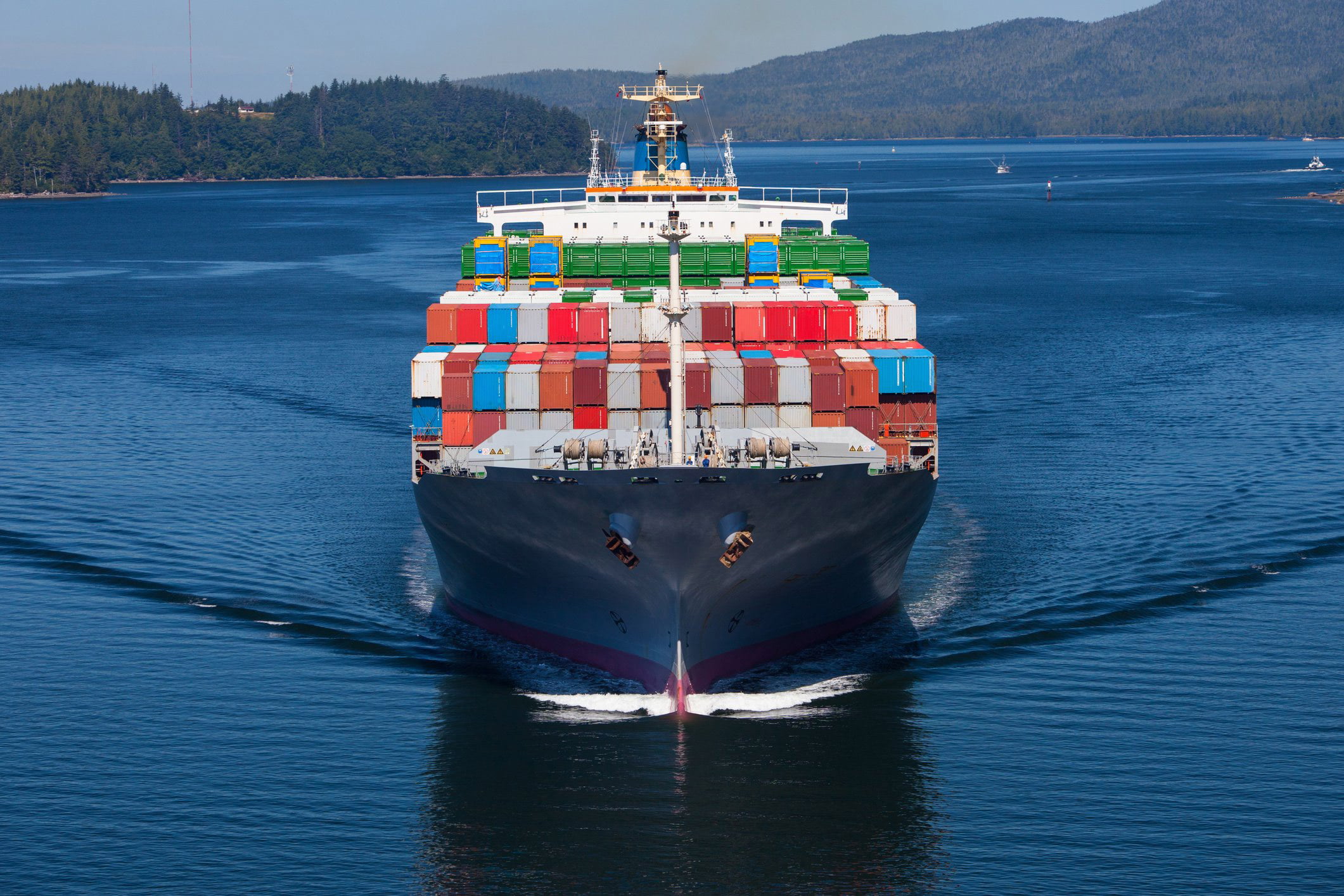
Poh’s transition from a marketing role in a Taiwanese container vessel operator to an independent founder was fueled by a singular observation: global supply chains were shifting from simple point-to-point transport to complex, integrated ecosystems. While initial efforts to win clients resulted in roughly 50 rejections, Poh maintained that the difficulty of the task was a necessary filter for long-term viability. By prioritizing service consistency and responsiveness, he secured his first breakthrough and began a steady climb that would eventually span operations in Malaysia, Thailand, and China.
PAL Line’s growth strategy centered on controlling more of the supply chain to mitigate the commoditization of freight forwarding. The company acquired its first warehouse in 2016 and launched its own transport fleet two years later. This foresight proved critical when the COVID-19 pandemic hit; because the firm had already invested in cloud-based systems and remote infrastructure, it was uniquely positioned to handle the surge in demand. During this period, annual revenue climbed by nearly 50 percent.
Today, Poh is steering the business toward the next wave of industry disruption: AI, robotics, and hybrid warehouse automation. Despite his focus on high-tech infrastructure, he insists that human capital remains his most significant investment. By fostering a culture of mentorship and rejecting top-down command structures, Poh aims to retain talent even as he scales the company’s digital footprint. For him, the true measure of success is not the volume of containers moved, but the agility to continuously adapt to an evolving global market.
Comments (0)
No comments yet. Be the first!