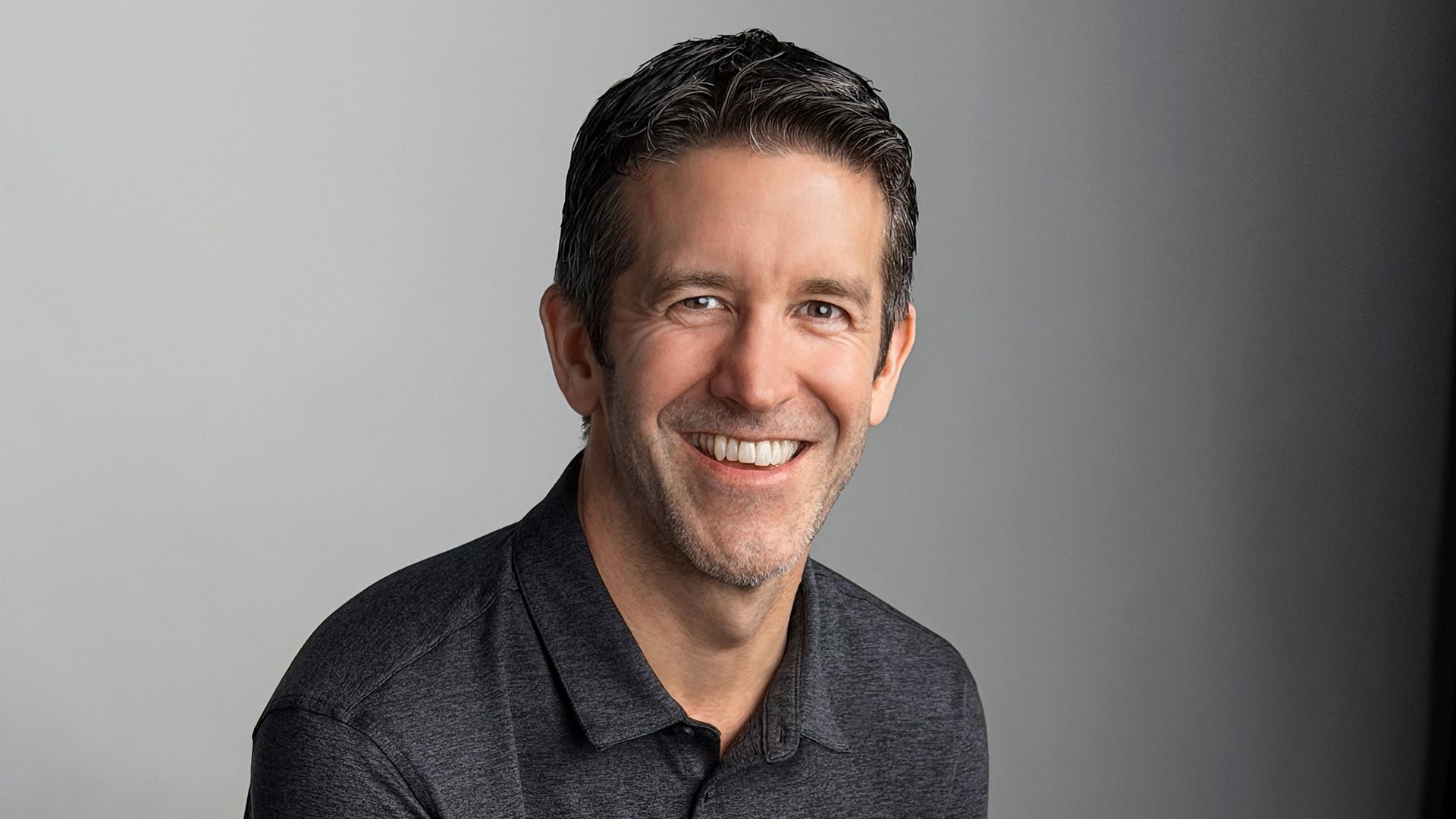
Ternus, who previously served as senior vice president of hardware engineering, takes the helm at a critical juncture. His track record includes overseeing the development of the iPhone Air, the MacBook Neo, and the integration of advanced hearing health features into the AirPods line. By promoting a career engineer, Apple appears to be doubling down on its hardware roots to navigate an increasingly competitive AI-driven landscape.
Hardware execution remains the company's primary defense as it integrates enterprise AI capabilities into its device ecosystem. Under Ternus, the company accelerated the release schedules for the Mac mini and Mac Studio, a move attributed to surging AI demand. While Cook’s farewell memo to employees avoided specifics regarding future challenges in China or regulatory headwinds, he emphasized that the company’s internal culture remains its most durable asset.
Cook, who has led the company since 2011, framed the transition as a natural evolution. He will maintain an office at Apple Park, continuing to manage sensitive relationships with global government figures, including President Trump. In his parting note, he underscored that his departure from the CEO role does not equate to leaving the firm, positioning his new capacity as a bridge between his legacy and the future direction under Ternus.
Comments (0)
No comments yet. Be the first!