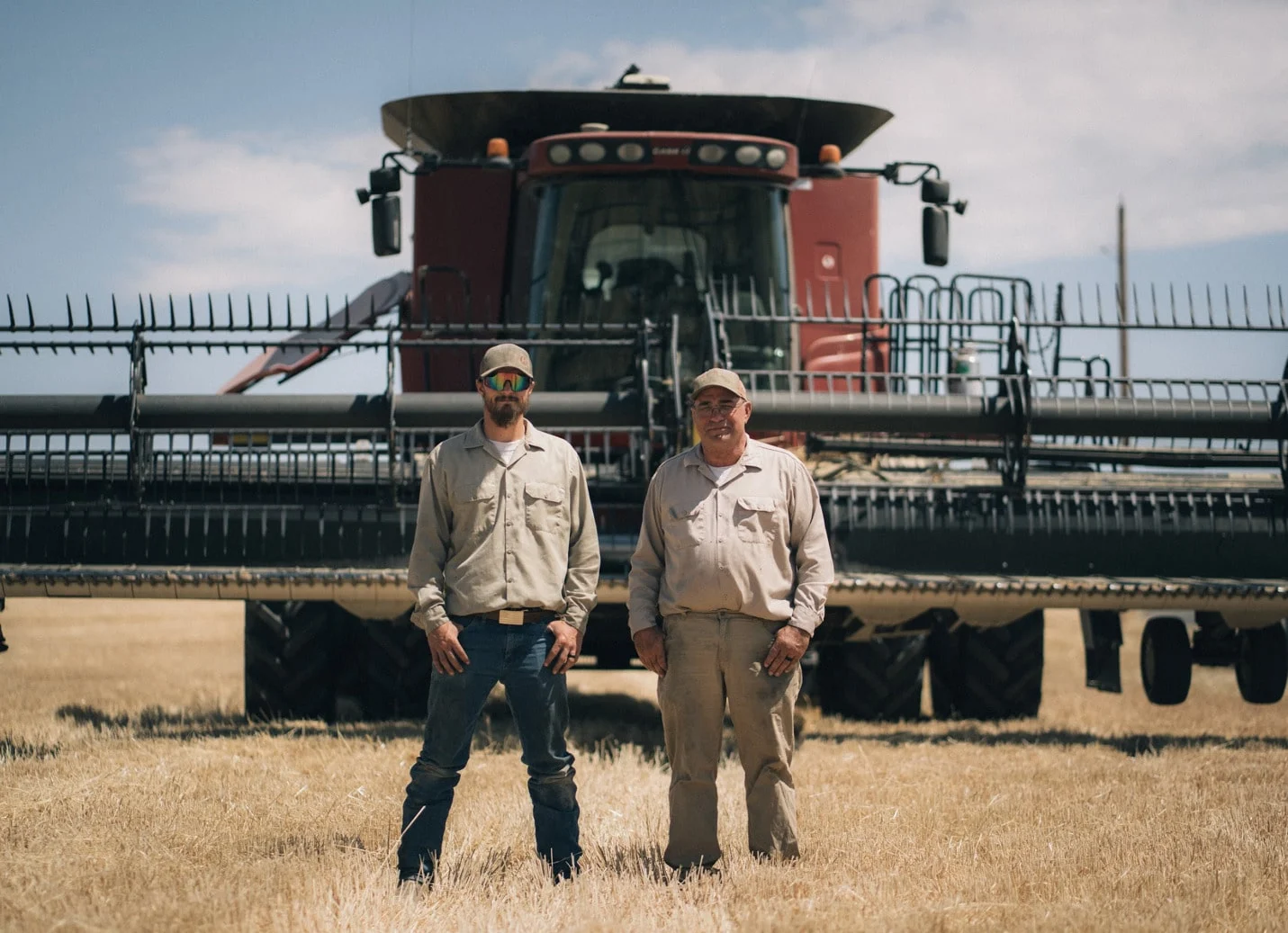
Morse treats wheat with the nuance of a winemaker, focusing on identity-preserved grains that prioritize soil health and flavor over mass-market efficiency. His expansion into the Blue Mountain Mill represents a calculated risk: moving beyond the Skagit Valley to test whether his model of regenerative, local infrastructure can hold its own at a larger scale. The decision to partner with the Umatilla Tribes followed a failed search for traditional property, proving that alignment on stewardship often yields better business results than conventional real estate checklists.
Operating as a social-purpose corporation allows Morse to weigh the health of farmers, employees, and local bakeries alongside financial returns. While he acknowledges that capital-intensive businesses require immense grit and patience, he argues that the tension between profitability and purpose is a feature, not a bug. By fostering deeper relationships rather than focusing on single-transaction gains, he aims to prove that regional food systems can be both economically resilient and environmentally restorative, setting a blueprint for others to replicate.
Comments (0)
No comments yet. Be the first!