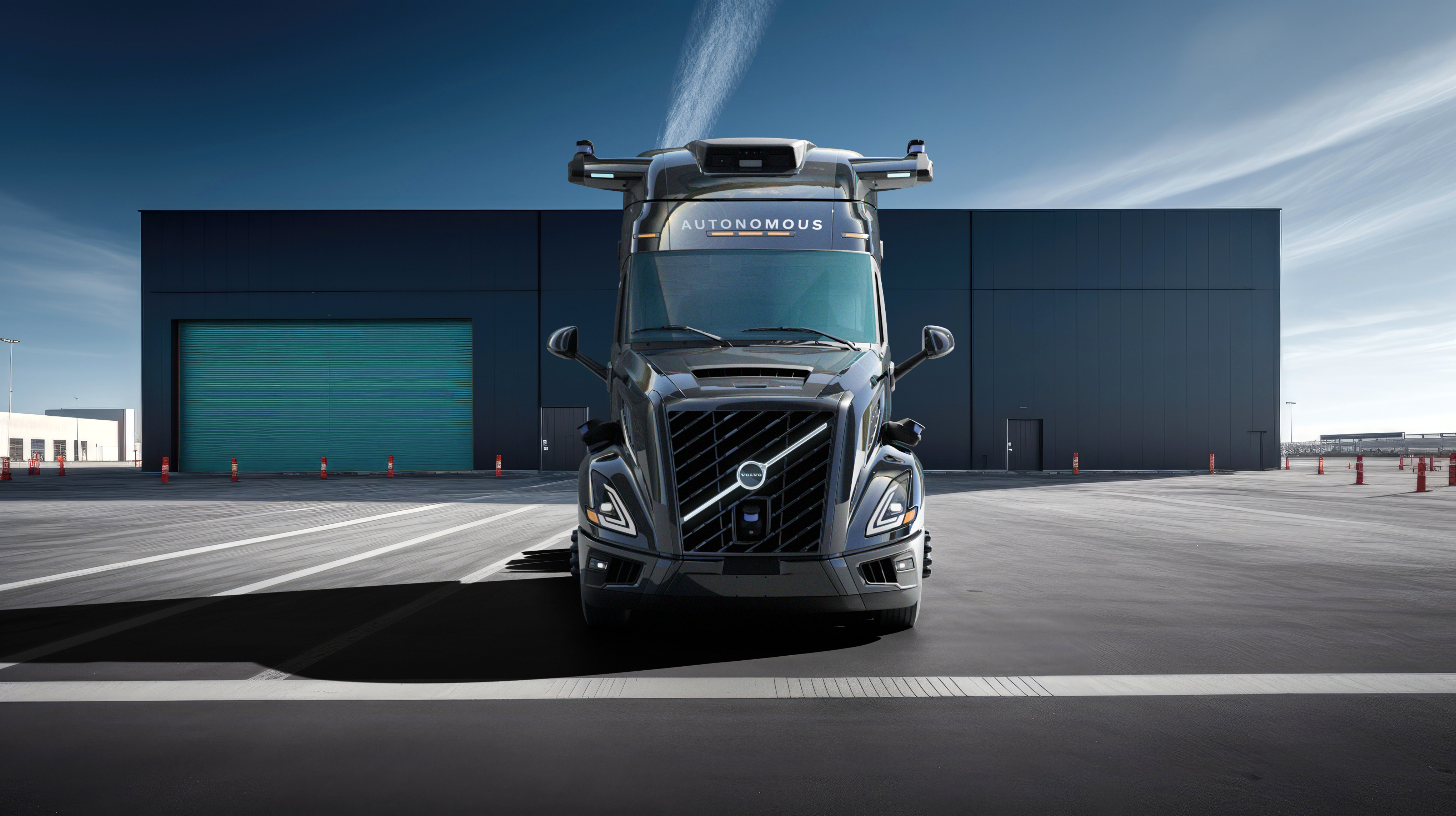
CFO David Maday argues that the 30,000 figure is modest when measured against the annual production of 250,000 to 300,000 heavy-duty trucks in the U.S. market. The company plans to pivot from its current transportation-as-a-service proof-of-concept—which charges roughly $2 per mile—to a subscription-based model. By 2027, Aurora aims to shift capital expenditure onto customers, who will purchase the vehicles while paying a $0.85-per-mile fee for the proprietary autonomous technology.
This transition is pivotal for the company's balance sheet. Aurora intends to reach breakeven gross margins by mid-2027 with approximately 500 trucks in operation. The strategy relies heavily on third-generation hardware mass-produced by its partner, Aumovio, which has agreed to handle the financing, servicing, and repair of the sensor kits. With these logistics in place, Maday anticipates a significant expansion across the continental United States by 2030, eventually clearing a path for the company to enter the robotaxi sector.
Comments (0)
No comments yet. Be the first!