The satellite will operate in short bursts to manage power and thermal constraints while testing the TPU's ability to survive radiation. According to project lead Travis Beals, ground testing cannot replicate the environmental rigors of space, making this mission vital for gauging the hardware's durability. Google researchers remain confident that the chips can handle large-scale inference workloads over a five-year lifespan, despite minor logic errors identified during particle accelerator testing.
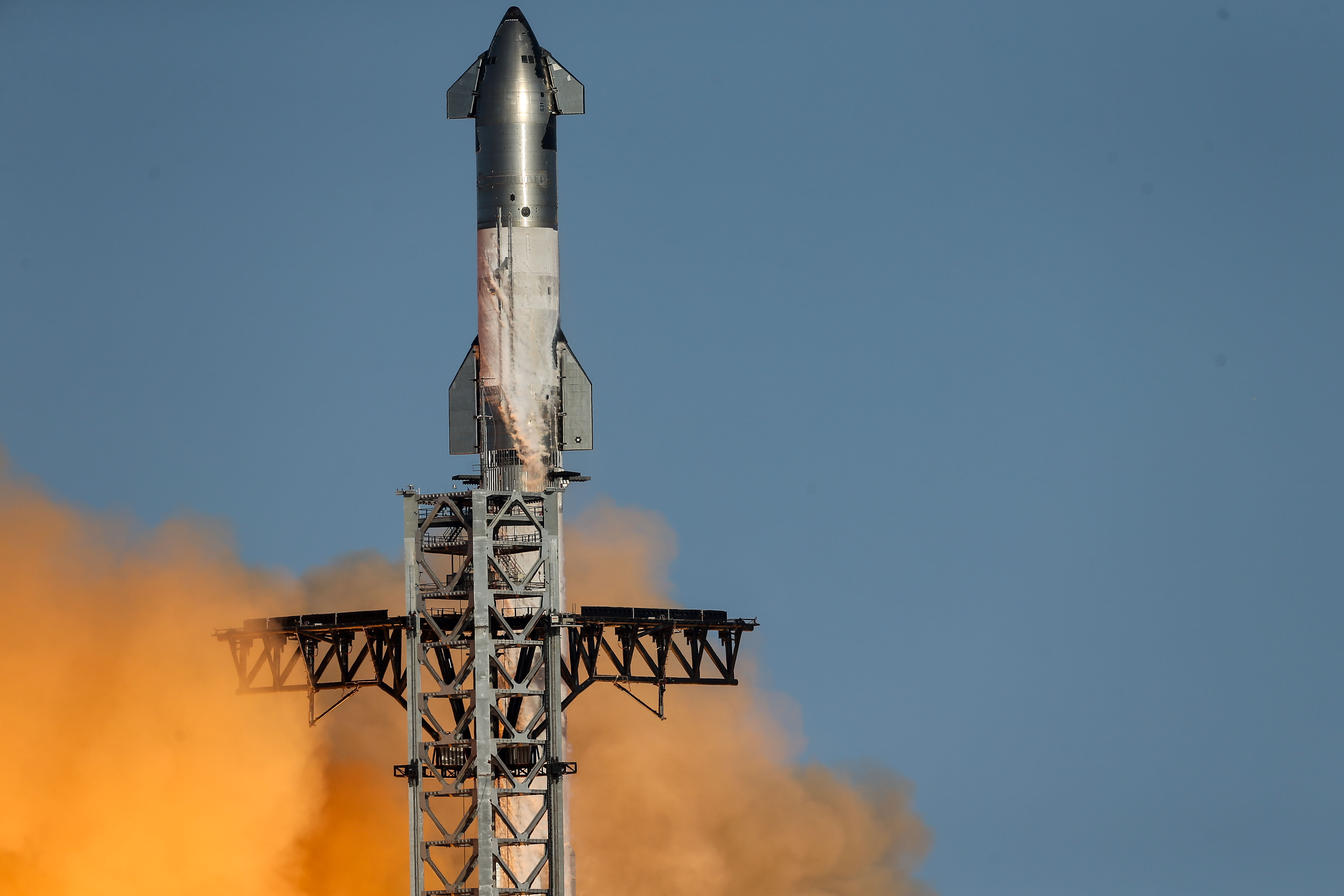
Beyond hardware, the company is analyzing the economic infrastructure required to sustain orbital data centers. A new white paper published in Joule examines the trajectory of launch costs, identifying a 20% annual reduction in SpaceX launch pricing. To reach a target cost of $200 per kilogram by 2035, the study estimates that Starship must transport 370,000 tons of payload into orbit. This would necessitate roughly 1,800 launches over the next decade, a significant leap for a vehicle that has yet to demonstrate such frequency. While Elon Musk has touted even more ambitious flight rates for Starship, Google’s analysis highlights the massive logistical scale required to turn space-based parallel processing from a moonshot into a standard utility.
Comments (0)
No comments yet. Be the first!