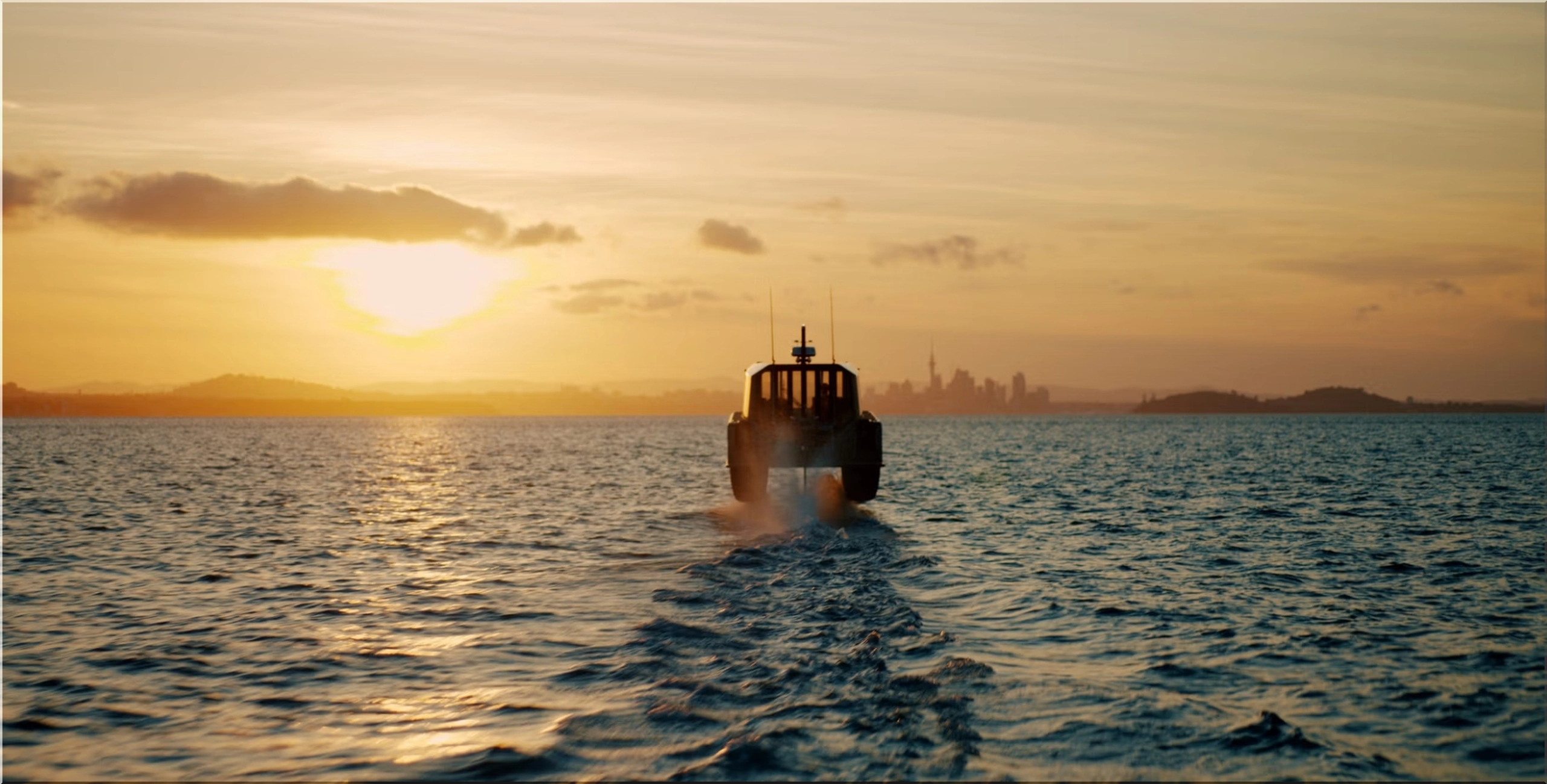
The transition from sailing to foiling lacks the violent shudder of a speedboat. Instead, the VS-9 feels remarkably akin to a luxury sports car on a smooth highway. Beneath the catamaran hull, two wing-like structures lift the vessel clear of the water, while computer-controlled flaps maintain stability. This design minimizes drag, a critical feature for electric vessels where range is dictated by every kilowatt-hour. The rear foil houses an in-house electric motor, a strategic choice Laakmann made to control long-term production costs.
While the technology is not new, its application for urban mass transit is gaining momentum. The VS-9 requires a clearance of only 0.75 meters to operate effectively, making it well-suited for rivers, bays, and lakes rather than open ocean swells. With a range of 40 nautical miles and the ability to charge via standard EV infrastructure, the company envisions these boats augmenting existing transit systems in cities like New York. Following a $19 million Series A round in August, Vessev is now moving beyond its single prototype, weighing plans to eventually supply electric hydrofoil kits to other shipbuilders.
Comments (0)
No comments yet. Be the first!