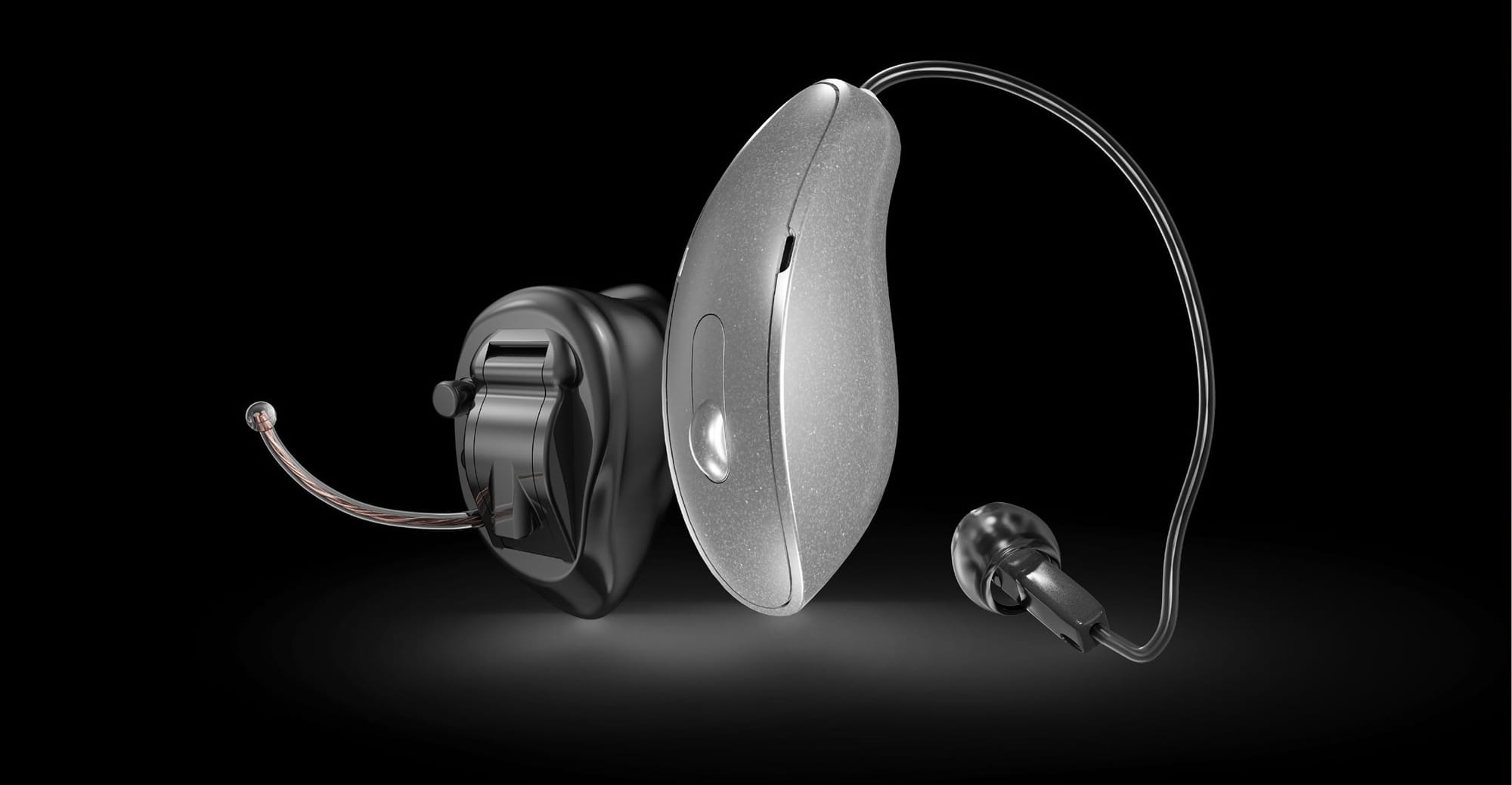
Sawalich credited Starkey’s employees and culture for the company’s growth, saying it hires for attitude and develops talent. The company, he said, has shifted from manufacturing to technology and is now one of the world’s five largest hearing-aid technology companies. Starkey is the only one of the five that is U.S.-owned and operated, according to Sawalich.
Because Starkey is privately held, Sawalich said, it can set priorities around patients and move more quickly than a public company. Its AI-enabled devices can separate background noise and improve sound quality. He also pointed to an aging global population and the company’s efforts to educate people about hearing loss and challenge stigma around hearing aids.
Sawalich said untreated hearing loss can lead people to withdraw from conversations and become more isolated. Hearing, he argued, helps people stay connected to their surroundings and others, while engaging the brain and keeping people active and present.
The company’s “moonshot” took shape in 2018, when Starkey began exploring how hearing devices could do more than improve hearing. Sawalich described the concept as “the ear is the new wrist,” drawing a comparison with health monitoring in devices such as the Apple Watch. Starkey’s three technology priorities are better hearing, health monitoring and personal assistance; Sawalich likened the last to Jarvis from “Iron Man.”
He said he wanted his own small, blue hearing aid to be noticeable so people would ask about it. That gives him a chance to talk about Starkey and make the case that hearing loss is nothing to be ashamed of, he said.
Comments (0)
No comments yet. Be the first!