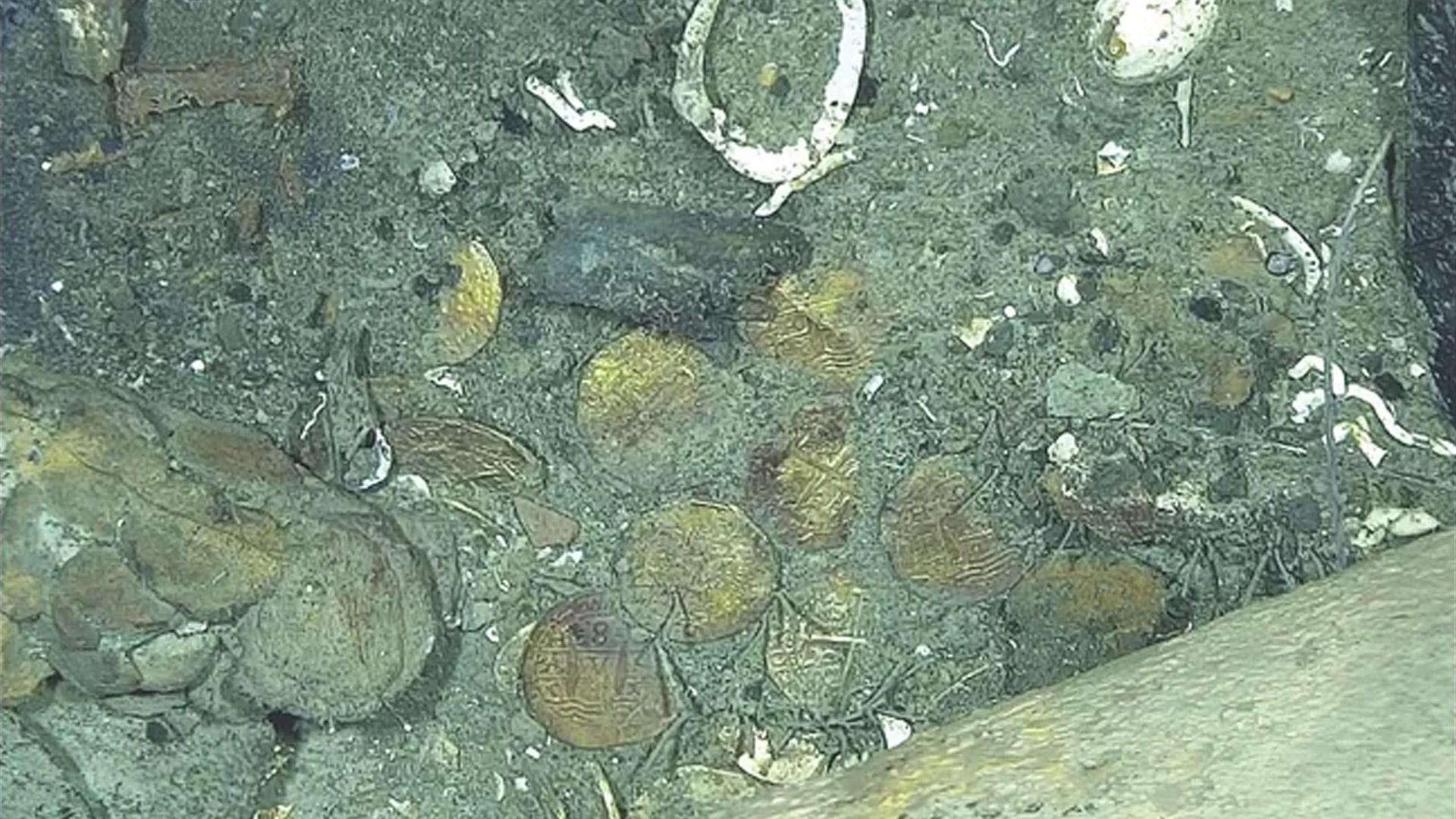
The Spanish galleon, laden with gold and silver, sank off Colombia during a battle with a British squadron. Dooley, born in New Jersey and raised in Cuba, studied Spanish archives and maps before assembling investors and locating the wreck in 2015, about 2,000 feet underwater. Sancton said Dooley was often portrayed as a villain, but called him indispensable to finding the ship. Colombia’s national celebration did not include him, and lawsuits have since stalled efforts to raise the wreck.
Sancton said the project began with a headline about a galleon carrying billions of dollars in treasure. After his earlier book, Madhouse at the End of the Earth, he reported the story for Vanity Fair and came across Dooley, whose role persuaded him to pursue a book. The process of searching archives, Sancton said, resembles underwater exploration: unexpected finds can bring a story to life, much as a map redirected Dooley’s hunt to an area others had overlooked.
Dooley’s team surveyed the seabed strip by strip, a method known as “mowing the lawn.” When an early search turned up nothing, one investor took the result as useful: eliminating part of the area narrowed the search, Sancton explained, though a blank survey can also mean the search has missed its target. He described Dooley, now in his 80s, as relentless and confident despite lacking formal qualifications. In Cuba, Dooley began cataloging shipwrecks himself and became a de facto authority, Sancton said.
Sancton sees treasure hunters as risk-taking entrepreneurs who persuade investors to back ambitious ventures. For the San José, he hopes Spain, Colombia and the UK can work together on a rigorous academic excavation and a museum, with Dooley involved. He said the wreck’s contents—not only its precious metals and emeralds—should be preserved and made available for public and academic study. The book was named one of Barnes & Noble’s Best Books of 2026.
Comments (0)
No comments yet. Be the first!