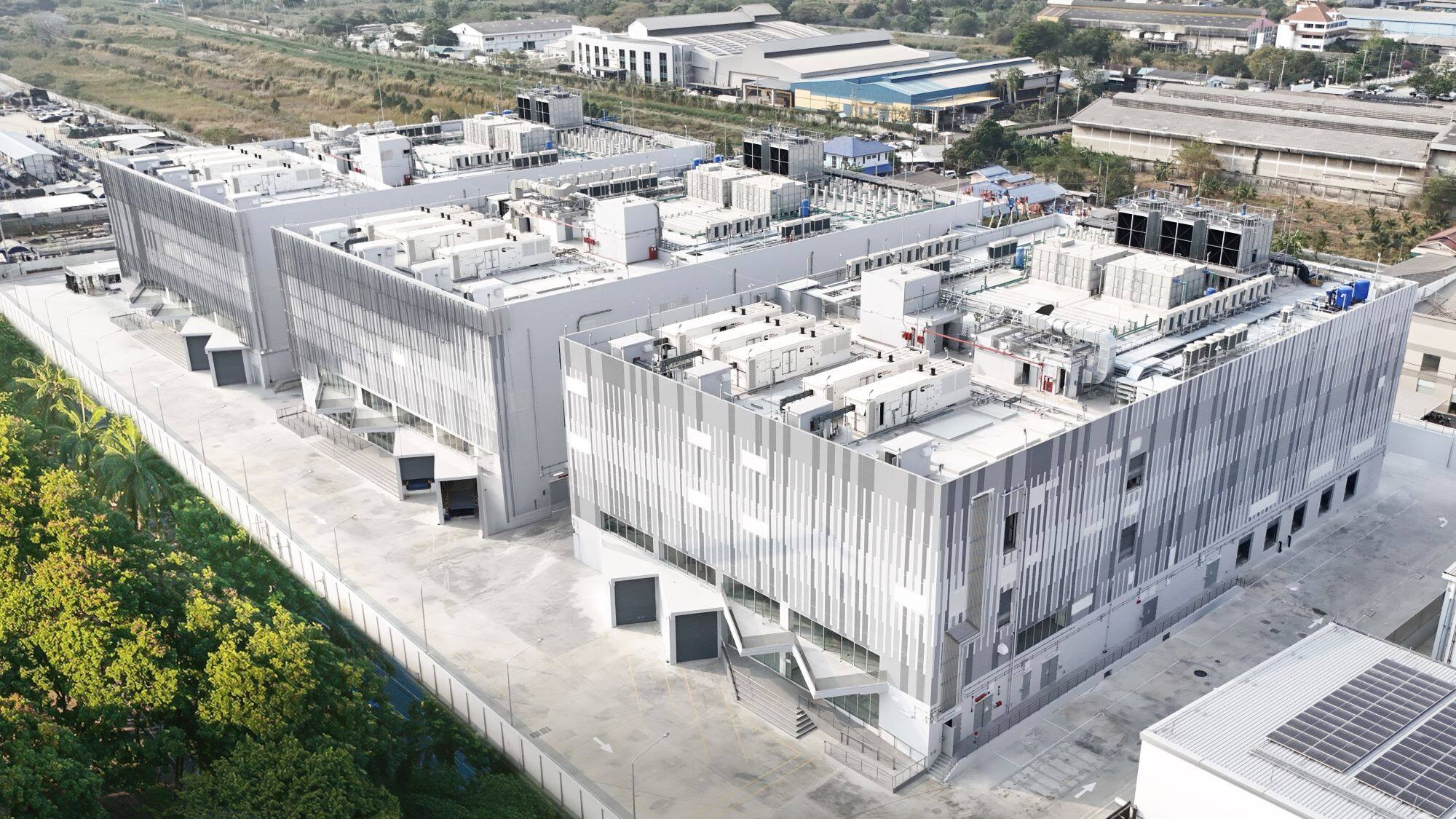
Marx discusses the issue in his new book, “Hyperscale,” which examines data centers and generative AI. In an interview with TechCrunch, he called the buildout “fundamentally unsustainable” and “completely out of line with a livable planet.” He said opposition to data centers is part of wider resistance to technology’s physical presence, including Flock cameras, Meta smart glasses and Waymo self-driving cars.
The book’s reporting took Marx inside a data center in New Zealand after companies he contacted often failed to respond or turned him down. He said entry required submitting his passport in advance, and every door inside the facility was locked behind key-card access. The server room, rather than seeming sinister, was utilitarian: warm, cooled by air-conditioning vents and loud enough that earplugs would be useful for an extended visit.
Marx said earlier disputes helped draw his attention to the industry’s local effects. In Chile, communities raised concerns about water access as Google and Microsoft built facilities near Santiago. In Ireland, data centers consume more than 20% of the country’s electricity, according to the interview; pressure on the grid led its operator to impose a moratorium on connections for data centers around Dublin in 2022. In The Dalles, Oregon, Google’s water use became contentious as the company sought to expand. After a journalist asked the city for records, Google sued; about a year later, the company disclosed that it used 29% of the city’s water.
Marx said companies’ pledges to pay for more electricity infrastructure, adopt different cooling systems and stop using nondisclosure agreements in local negotiations are responses to community opposition. He expects the end of NDAs to make project information easier to obtain, but said it also offers companies a public-relations benefit. He added that closed-loop cooling can use less water than evaporative systems but requires more electricity, and that residents have raised concerns about coolant leaks.
For Marx, the problem is not data centers in general but the size and pace of hyperscale construction, particularly when communities see few benefits from the generative AI it supports. He also argued that technology’s future need not be dictated by private companies, pointing to public-sector technology development in Europe as one alternative.
Comments (0)
No comments yet. Be the first!