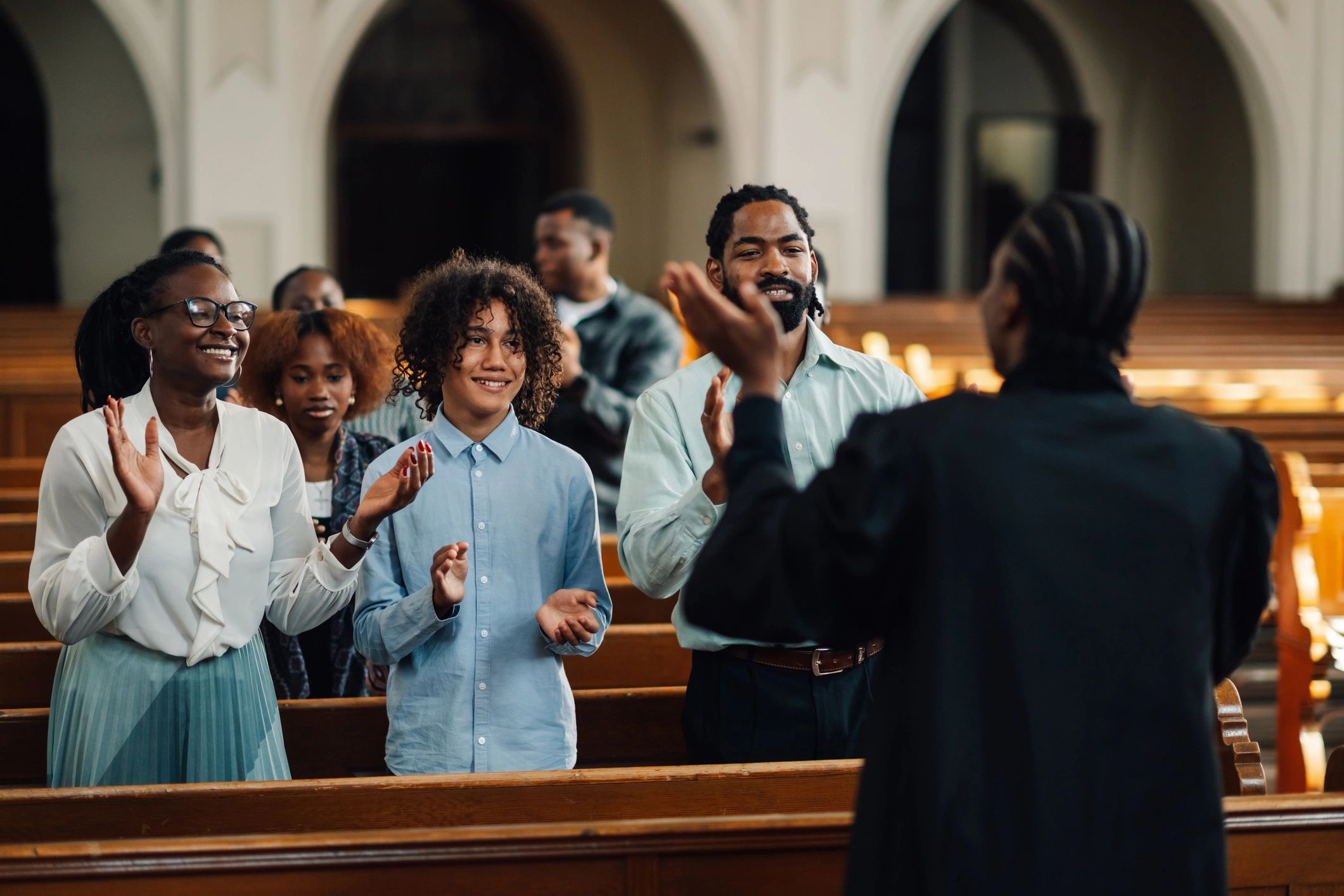
The author recalls coordinating church programs, managing limited resources and finding agreement among people with different views, yet treating that work as separate from professional development. Reframing community responsibilities can make their value clearer: a finance committee may involve budget oversight, neighborhood organizing can require project management, and youth coaching can develop team leadership skills.
Community relationships can also lead to professional opportunities. The author’s research found that women with significant family and community responsibilities sometimes heard about opportunities through people they knew from groups, boards, schools or family connections. Those openings may emerge in conversation before appearing in a public job posting. People who have seen someone follow through, communicate through disagreement and take responsibility can speak to those abilities from experience.
To make that experience useful, the author suggests listing community roles and identifying the work each one involved. Professionals can also consider who has seen them lead, who understands their work, and where they have kept their community and professional lives unnecessarily separate. The aim is not simply to find someone who can provide a job, but to help people who already know them understand what else they can contribute.
The author calls building genuine, reciprocal relationships “friend raising,” and distinguishes it from collecting contacts. But relationships alone do not guarantee an opportunity: people need to make clear, specific asks. Someone seeking a nonprofit board position, for example, could explain the relevant experience and ask to be kept in mind if a suitable opening arises. The author advises leaving room for a no and maintaining the relationship regardless of the response.
Trust also depends on what happens after a request. Staying in touch without an agenda, recognizing others’ achievements and offering help when possible can preserve the relationships that made an opportunity possible. The author’s closing point is that leadership developed in community life is not separate from professional leadership; recognizing and describing it can help connect the two.
Comments (0)
No comments yet. Be the first!