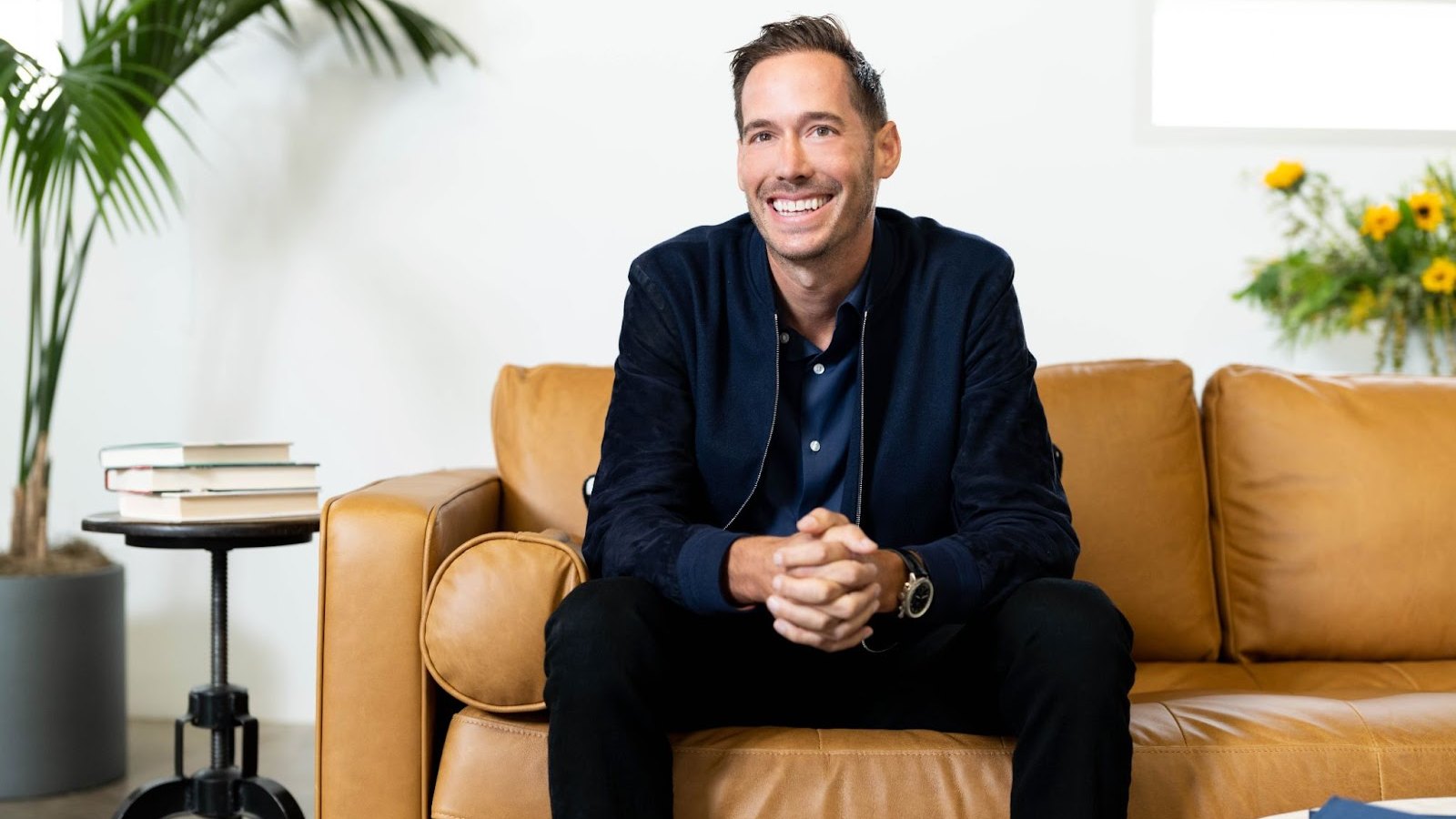
The tension in modern venture capital lies in a paradox: growth metrics that once signaled outliers are now becoming standard, yet the presence of massive, well-funded incumbents threatens to upend even the most promising newcomers. Reum, who oversees $2.5 billion at M13, argues that while this cycle mirrors historical shifts like the rise of cloud computing, the current competitive landscape is uniquely hostile. For the first time, startups must contend with tech giants that possess superior data, capital, and talent, making the prospect of a swift rise followed by an equally rapid collapse a genuine risk.
For Xu, whose firm manages nearly $1 billion, the path to survival involves a strict separation of markets into 'depth' and 'velocity' categories. While velocity markets reward speed of execution, depth markets—such as manufacturing complex drugs via transgenic chickens—remain shielded by the sheer difficulty of the underlying work. Both investors agree that the most defensible startups are those focusing on regulated industries or technical infrastructure specifically built for AI agents. As capital floods the ecosystem, particularly with looming liquidity events like the SpaceX IPO, the focus is shifting from pure compute power to the next frontier: the ability to manufacture taste and emotional resonance, a domain where Los Angeles may finally hold the upper hand over Silicon Valley.
Comments (0)
No comments yet. Be the first!