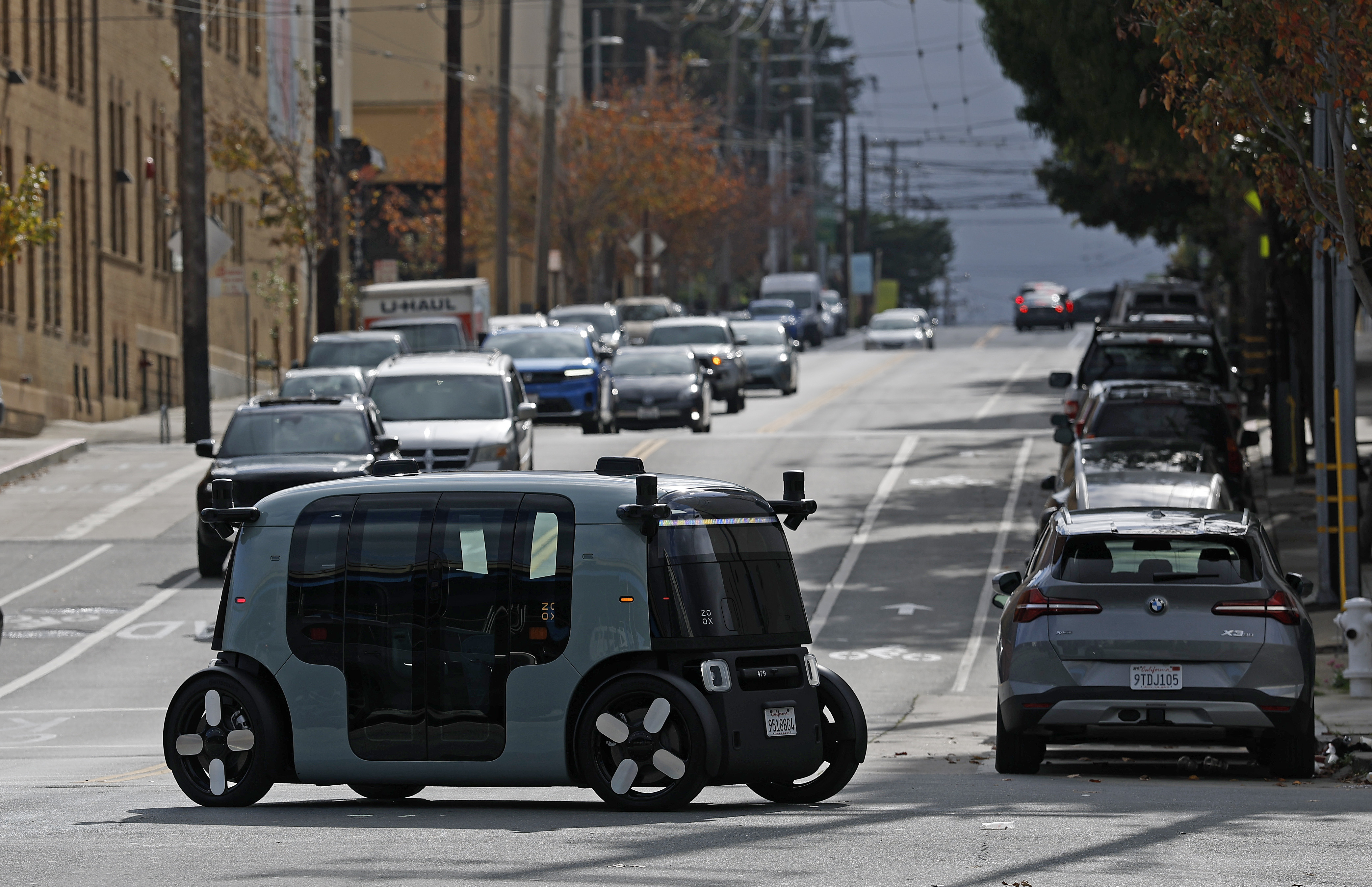
The company recently closed a $10 million seed round led by Crane Venture Partners, with additional backing from Y Combinator, Expa, and several notable angel investors. The funding will support the development of five initial prototypes and the expansion of the firm’s engineering team. Co-founders George Kalligeros and Dan Keene, who previously built the battery-swapping infrastructure startup Pushme, intend to use these funds to secure the real estate necessary for a distributed network of service units.
Traditional robotaxi depots are typically located far from city centers due to high real estate costs, forcing vehicles to log non-revenue "deadhead" miles throughout the day. Aseon’s solution relies on modular, semi-autonomous pods that can be placed in urban areas as temporary infrastructure. These units utilize robotic arms and computer vision to handle basic tasks like interior cleaning and charging, while specifically avoiding complex repairs—such as scrubbing stubborn stains—that require human intervention. By deploying these pods, Aseon hopes to increase fleet utilization and help operators reach economic parity with human-driven ride-hailing services.
Comments (0)
No comments yet. Be the first!