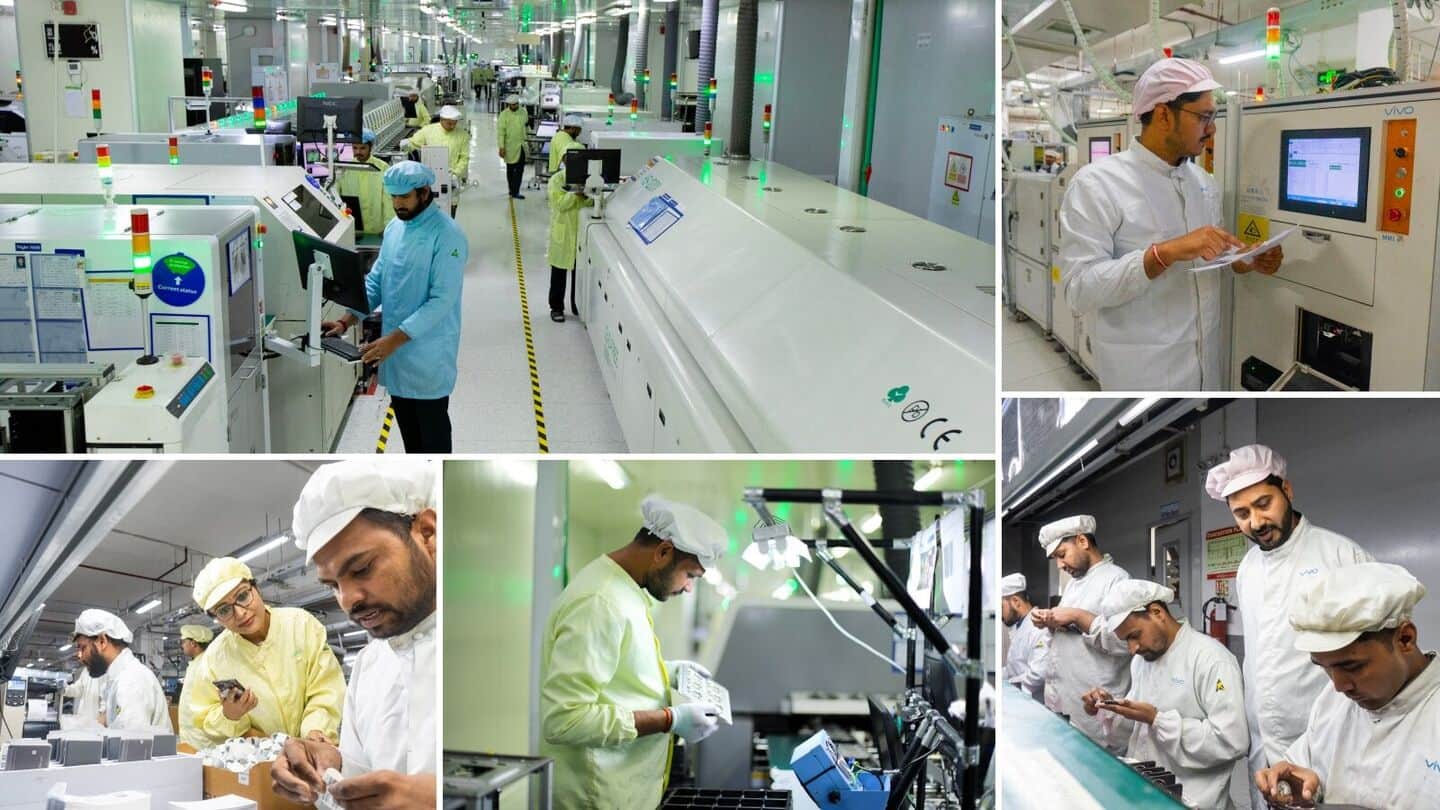
The approval allows Vivo to proceed with a structure first proposed in December 2024, designed to meet strict investment criteria introduced after the 2020 border tensions. By ceding majority control to an Indian partner, the venture offers a template for Chinese firms looking to stabilize their local operations while aligning with New Delhi's push for domestic participation. According to Dixon’s stock exchange filing, the partnership will handle manufacturing for Vivo while remaining open to producing electronics for other brands.
This deal arrives as India seeks to expand its smartphone export capacity beyond the current dominance of Apple, which accounts for 57% of the nation's smartphone exports. While Chinese brands command 72% of India’s domestic market, their contribution to exports remains under 10%. Tarun Pathak, research director at Counterpoint Research, noted that the venture creates a sustainable model for Chinese vendors to deepen local value addition. For Dixon, the move is a significant scale-up; Managing Director Atul Lall previously estimated the partnership could add 20 to 22 million smartphones in annual manufacturing volume. With Dixon already producing for Xiaomi, the company is positioning itself as the primary vehicle for global brands aiming to integrate into India’s manufacturing ecosystem.
Comments (0)
No comments yet. Be the first!