The landscape for plug-in vehicles has shifted dramatically since the expiration of federal tax credits in late 2025. While sales data from Kelley Blue Book and Cox Automotive indicate a modest market recovery, the trend toward consolidation is clear. Manufacturers are increasingly prioritizing high-volume production and automation over niche electric segments. Tesla, for instance, has decommissioned assembly lines for the Model S and Model X at its Fremont factory to pivot resources toward its Optimus robotics program.
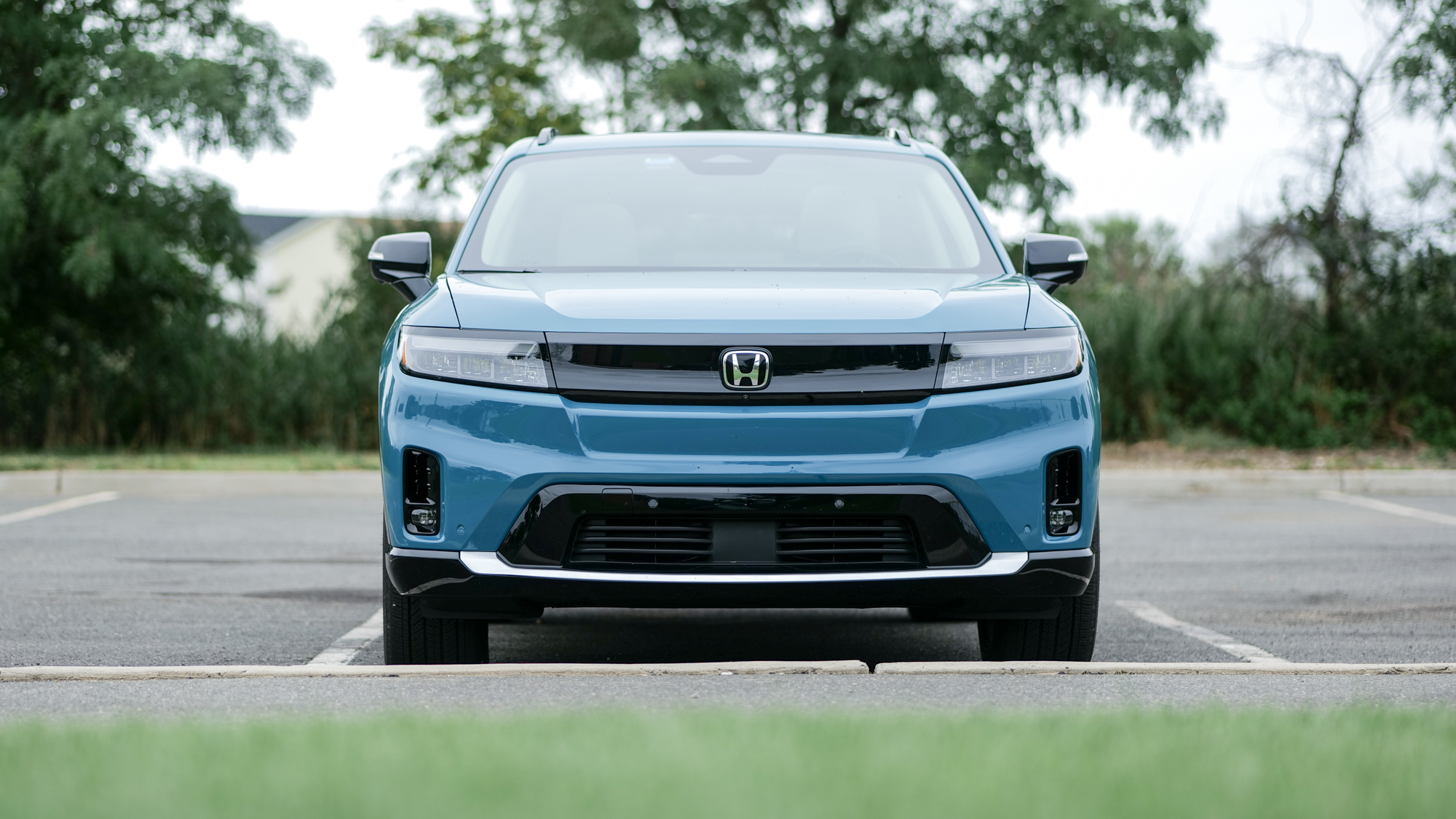
Regulatory pressures and trade policy are also forcing exits. Polestar, caught in the crosshairs of U.S. bans on Chinese-connected vehicle technology, has been effectively pushed out of the market. Similarly, Hyundai has discontinued the South Korean-made Ioniq 6 in the U.S. to mitigate the impact of tariffs, while Volkswagen is transitioning its Chattanooga plant away from the ID.4 to focus on internal combustion models like the Atlas. Even experimental ventures have faltered; the Afeela project—a collaboration between Sony and Honda—was abandoned in March 2026 before a single production vehicle reached the road. As companies recalibrate, the U.S. market is left with a leaner, albeit more uncertain, selection of electric options.
Comments (0)
No comments yet. Be the first!