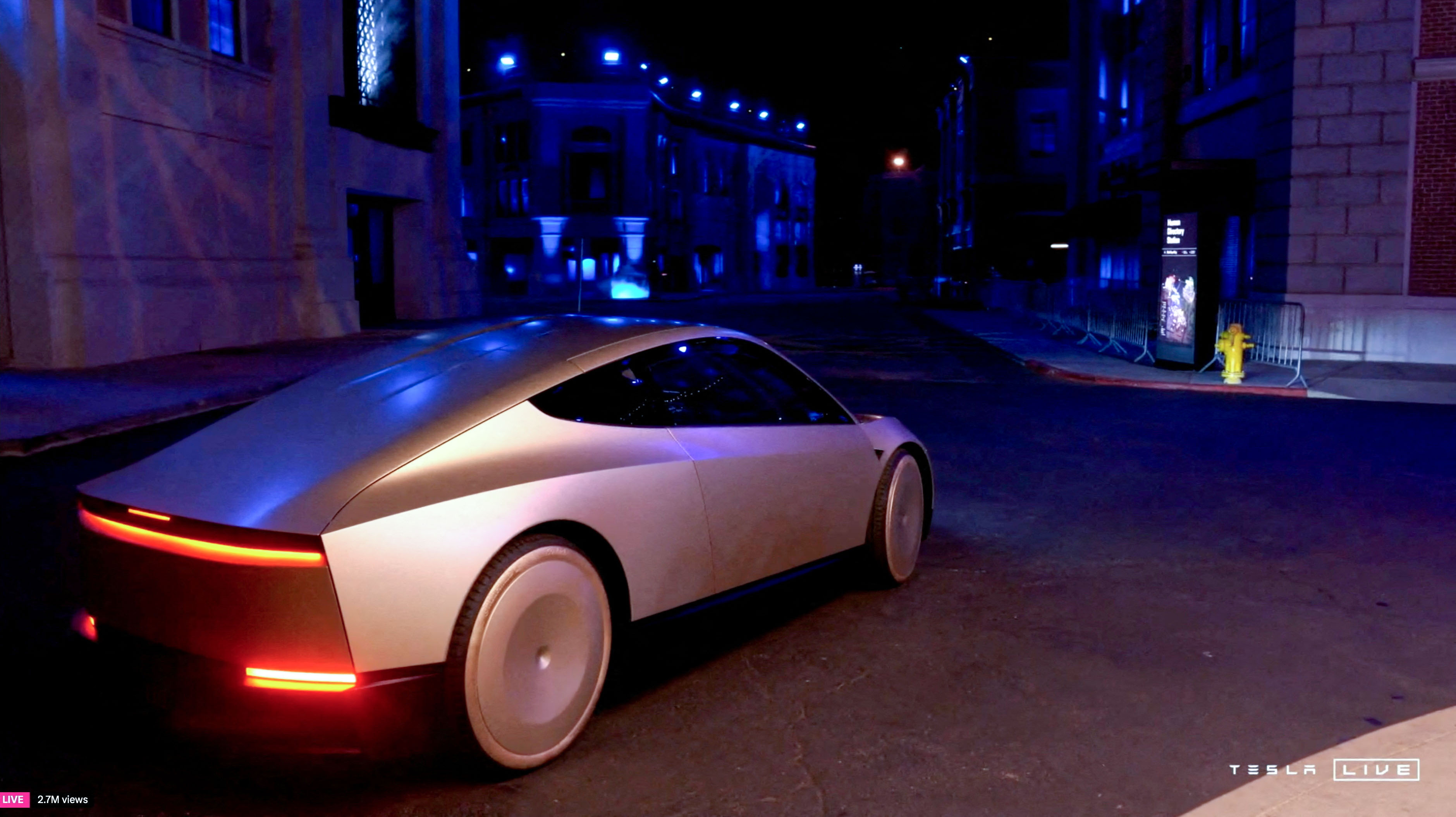
The fleet of Model Y SUVs, which serves as the backbone of the nascent network, covered roughly 700,000 paid miles between April and June, down from 1.1 million in the first quarter. This retreat coincides with weakening profits in Tesla’s core automotive business, a performance miss that triggered a 13% plunge in the company's stock price following the announcement.
During a conference call, Musk attributed the slow scaling to a need for specific data collection tied to the upcoming Cybercab. The company is currently retrofitting these two-seater sedans with manual controls to calibrate the chassis before full-scale deployment. This pivot marks a shift from Tesla’s long-standing narrative that its massive fleet of 10 million consumer vehicles had already gathered sufficient training data for total autonomy.
Executives now frame the sluggish rollout as a cautious safety strategy rather than a technical or regulatory failure. While VP of AI Ashok Elluswamy touted zero notable incidents for unsupervised vehicles, Tesla has filed 22 crash reports with the National Highway Safety Administration over the past year. These include three accidents caused by remote teleoperators and several low-speed collisions with curbs, utility poles, and parked vehicles. Despite the current decline, Musk maintains that the company will scale the service rapidly as it continues to bypass traditional sensor suites like lidar and radar in favor of a camera-only approach.
Comments (0)
No comments yet. Be the first!