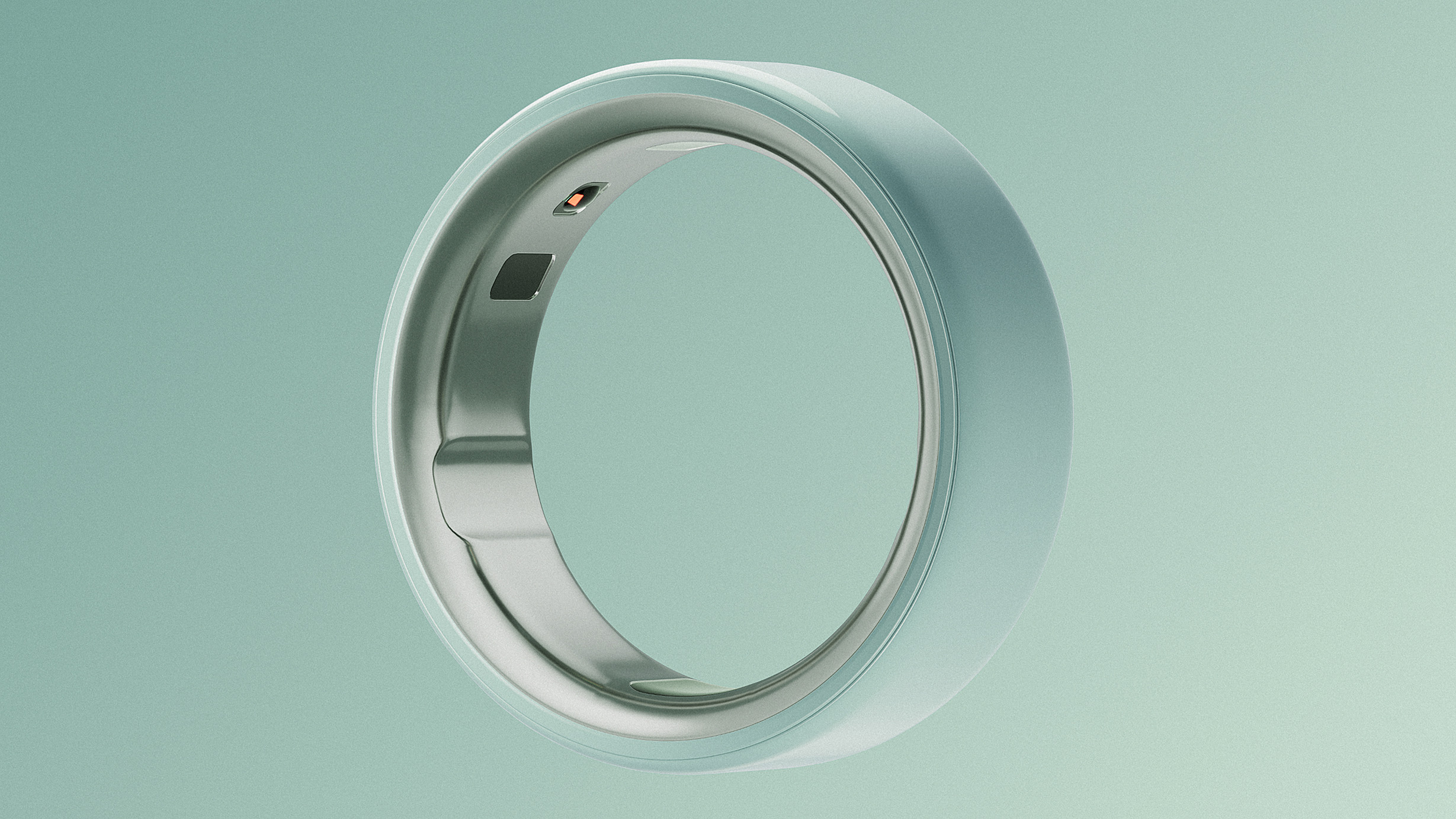
The race for the finger-worn device market has shifted from basic sleep monitoring to an arms race of feature density. While Oura leans on its established ecosystem and the recent launch of the Ring 5, emerging rivals are aggressively targeting its market share. French manufacturer Circular is integrating NFC for payments, while RingConn is deploying haptic vibrations for health alerts. Indian firm Ultrahuman, backed by Qualcomm, recently secured $70 million to develop rings capable of running software directly on the device, signaling an ambition to move beyond passive metrics into AI-driven interactions.
This trend toward high-functionality hardware creates a paradox for the industry. Smart rings initially gained popularity by offering a discreet, screen-free alternative to the constant pings of smartwatches. However, devices like the Dreame Ring, which incorporates a touchpad for media control, suggest the category is drifting toward the very complexity users once sought to escape. Even major players like Samsung have entered the fray with the Galaxy Ring, though it remains a more restrained competitor compared to the feature-heavy hardware arriving from smaller, specialized tech firms. As Oura prepares for its IPO, the survival of its dominant position may depend on whether consumers want a health tracker or a wearable computer.
Comments (0)
No comments yet. Be the first!