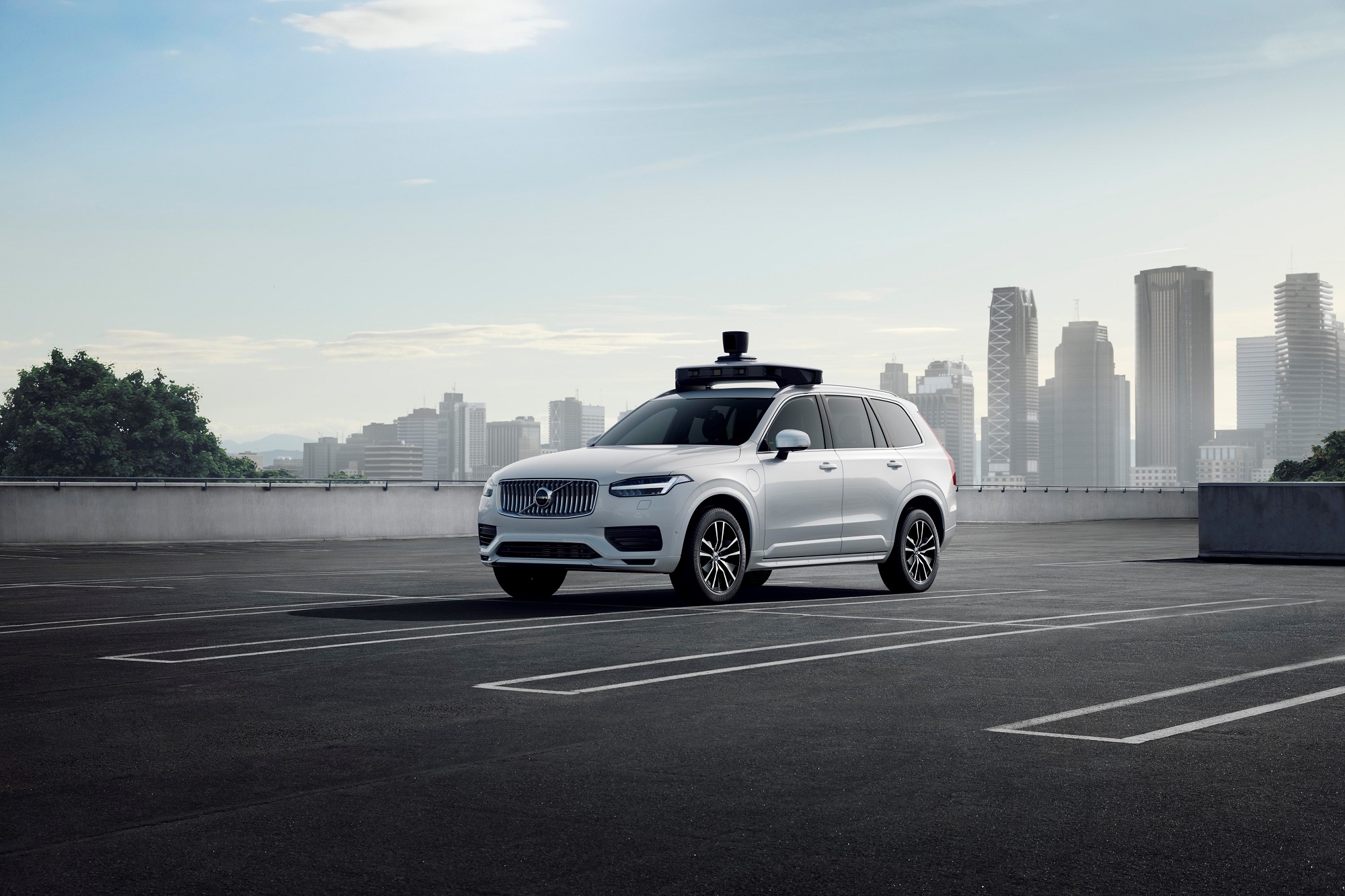
The strategy marks a sharp departure from the insular approach of the mid-2010s, when Uber attempted to build its own technology through the Advanced Technologies Group. Following a series of legal setbacks and a fatal 2018 crash in Arizona, Uber sold its autonomous assets to Aurora and retreated to its core ride-hailing and delivery business. Today, that divestment has evolved into a sophisticated hedging play, with Uber maintaining equity stakes in former spinouts while aggressively signing deals with nearly every major player in the space, from industry titans like Waymo and Baidu to specialized startups like Waabi and May Mobility.
This new model shifts the burden of hardware development and regulatory risk onto partners while securing Uber’s position as the primary interface for the consumer. By integrating diverse autonomous systems—ranging from Nvidia-powered software in Stellantis vehicles to Rivian-built robotaxis and Cartken delivery robots—Uber ensures its platform remains the dominant destination regardless of which specific AV technology wins the market. This network now spans multiple continents, with recent expansions into the Middle East and Europe alongside intensified testing across U.S. hubs like Austin, Dallas, and Los Angeles. As the industry moves toward commercial scale, Uber is effectively positioning itself as the indispensable broker of the self-driving future.
Comments (0)
No comments yet. Be the first!