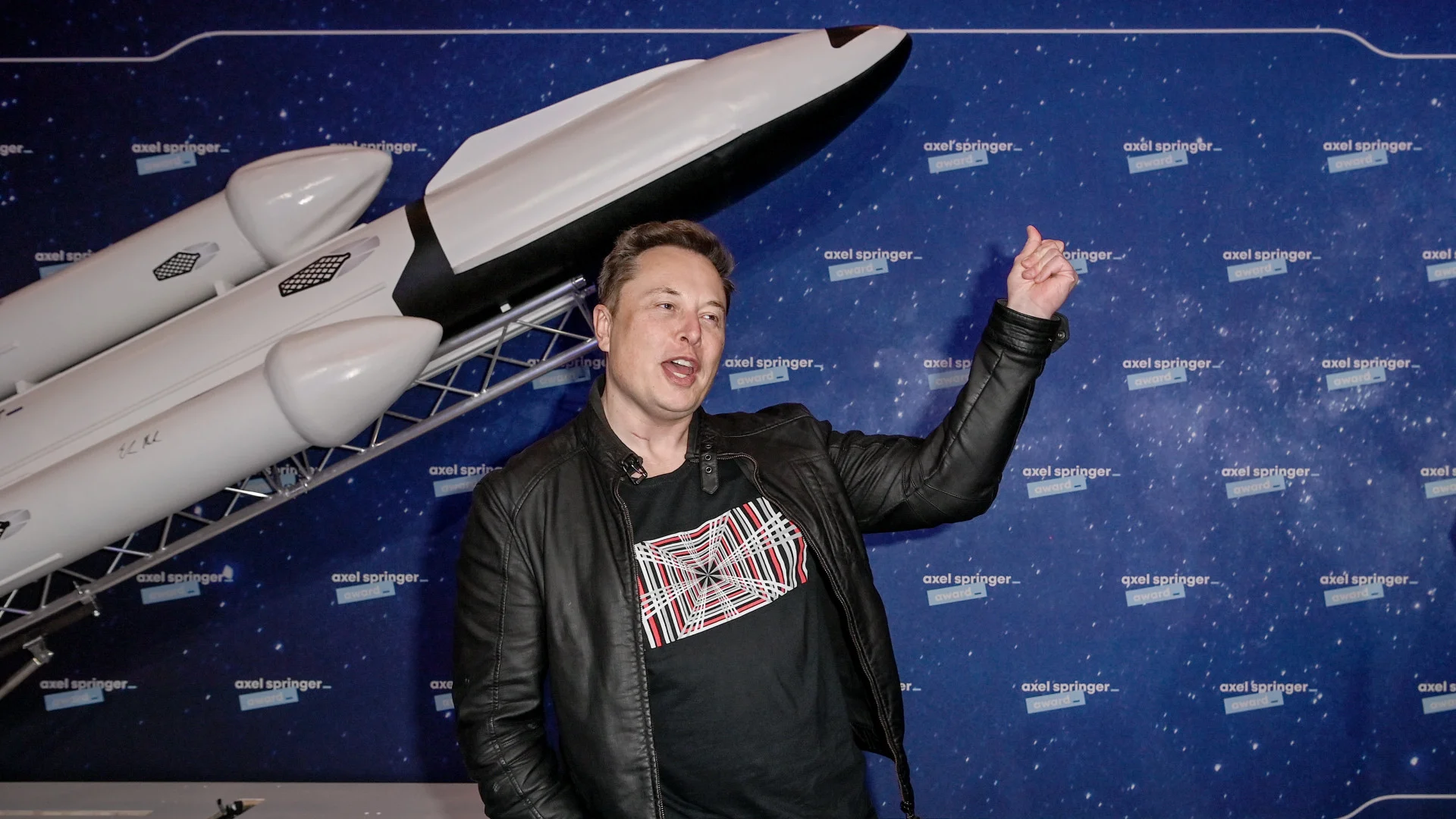
Musk set an aggressive tone by suggesting Starlink could command a majority of the world’s internet within a decade. Chief Operating Officer Gwynne Shotwell quickly followed, framing the goal in more measured corporate language, focusing on capacity growth rather than global dominance. This pattern repeated when CFO Bret Johnsen projected an annualized revenue run rate of $100 billion by year-end, only for Musk to immediately dismiss the figure as a conservative floor, claiming the reality would likely be higher.
SpaceX’s leadership also navigated conflicting timelines regarding the Starship program. While Musk teased the possibility of human flights by the end of next year and suggested the rocket's heat shield issues are effectively resolved, Shotwell steered the narrative back to NASA-mandated milestones, specifically citing a 2028 target for lunar landings. Despite the shift to public status, these divergent projections raise questions about investor expectations. While regulatory bodies like the SEC remain largely quiet on such corporate forecasting, SpaceX’s incorporation in Texas provides a legal shield that may limit the recourse available to shareholders should these high-flying promises fail to materialize.
Comments (0)
No comments yet. Be the first!