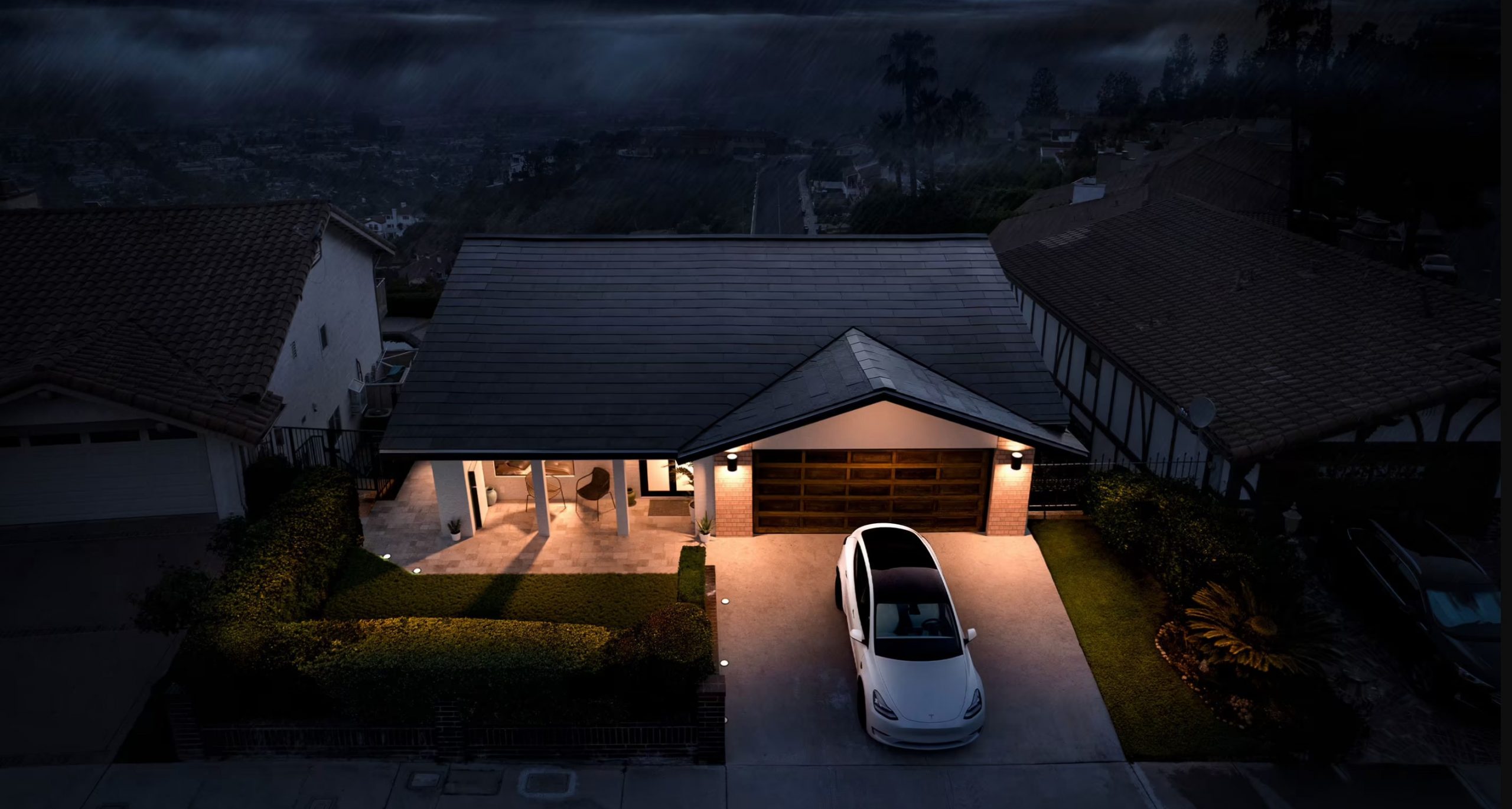
The solar roof was once touted as a high-end alternative to conventional panels, blending energy generation into designs resembling slate or terracotta. Despite the promise, the project struggled to gain traction. Tesla aimed for 1,000 installations per week, yet reports indicated the company hit only 20 to 40 per week by 2022. While some third-party installers claim they can still facilitate projects using remaining inventory, the product’s removal from Tesla’s digital storefront marks a definitive retreat.
Economic and technical realities undermined the concept from the start. While mass-produced silicon panels plummeted in price, the solar roof relied on proprietary tiles that necessitated expensive, specialized manufacturing equipment. Customers faced exorbitant costs, with some quotes reaching $200,000. Compounding these financial barriers were performance issues; owners reported warping materials and melting underlayment, alongside claims that the systems consistently underproduced electricity. Experts suggest the design’s minimal airflow trapped heat, forcing a decline in voltage efficiency. With Tesla moving away from the technology, the future of building-integrated solar now rests with smaller competitors like GAF and Merlin Solar, though the failure of such a prominent player casts doubt on the viability of the aesthetic-focused solar market.
Comments (0)
No comments yet. Be the first!