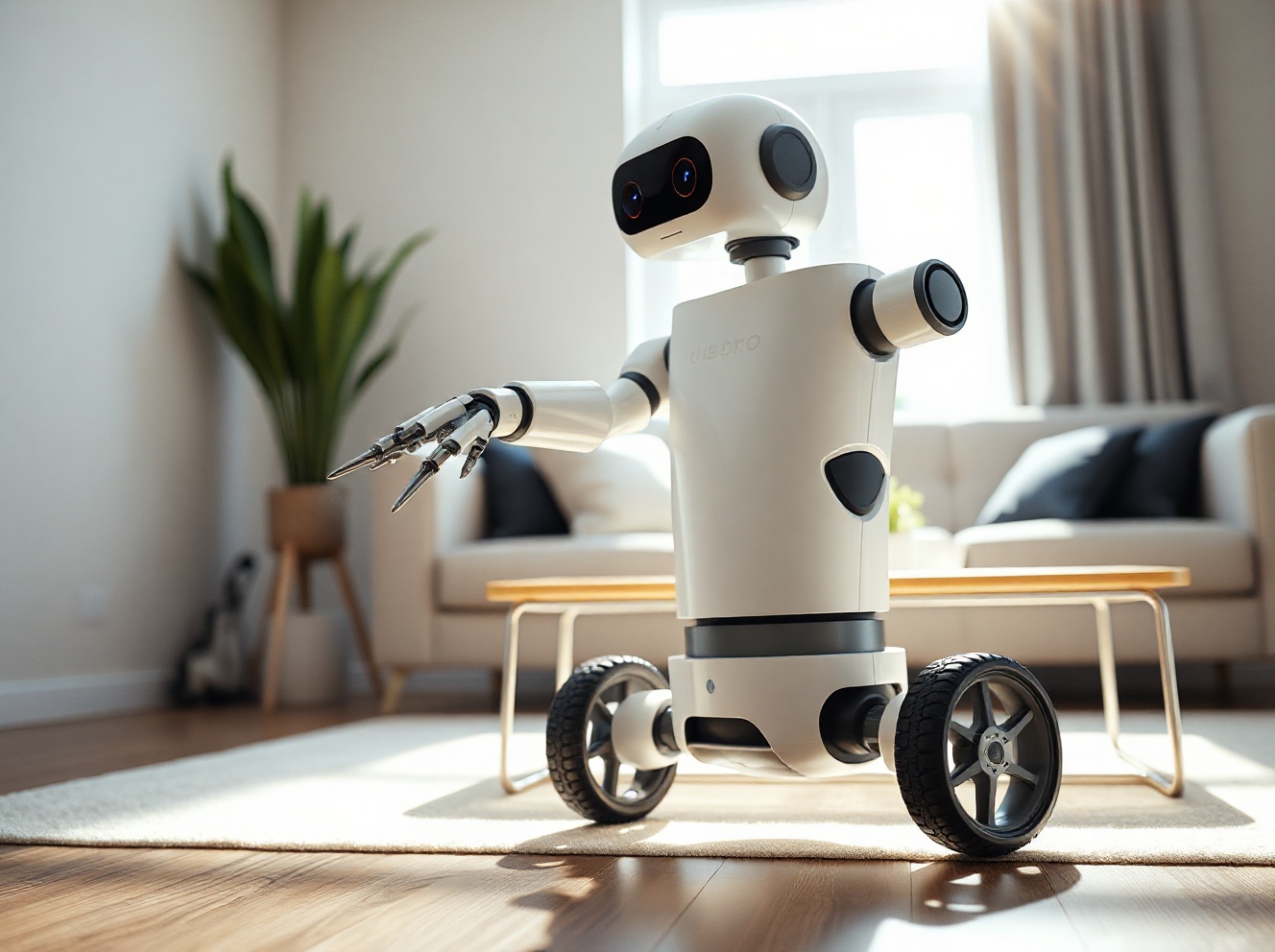
The Stretch 4 moves away from the humanoid trend, opting for a compact, wheeled design with a telescoping arm that operates effectively in human-centric environments. Its utility is grounded in specific, life-altering functions: helping users feed themselves, adjust blinds, or handle personal hygiene. For individuals with conditions like quadriplegia, these capabilities represent a significant leap toward independence rather than a choreographed demo.
Edsinger, whose background includes founding Meka Robotics and leading robotics initiatives at Google, built the platform based on six years of customer feedback. The machine relies on a full-stack, open-source software platform, aiming to bridge the gap between laboratory-grade physical AI and practical, reliable home assistance. Attendees at the October 13–15 event in San Francisco will see the hardware move beyond the lab to interact with real-world obstacles, emphasizing safety and contact sensitivity over aesthetic appeal.
Comments (0)
No comments yet. Be the first!