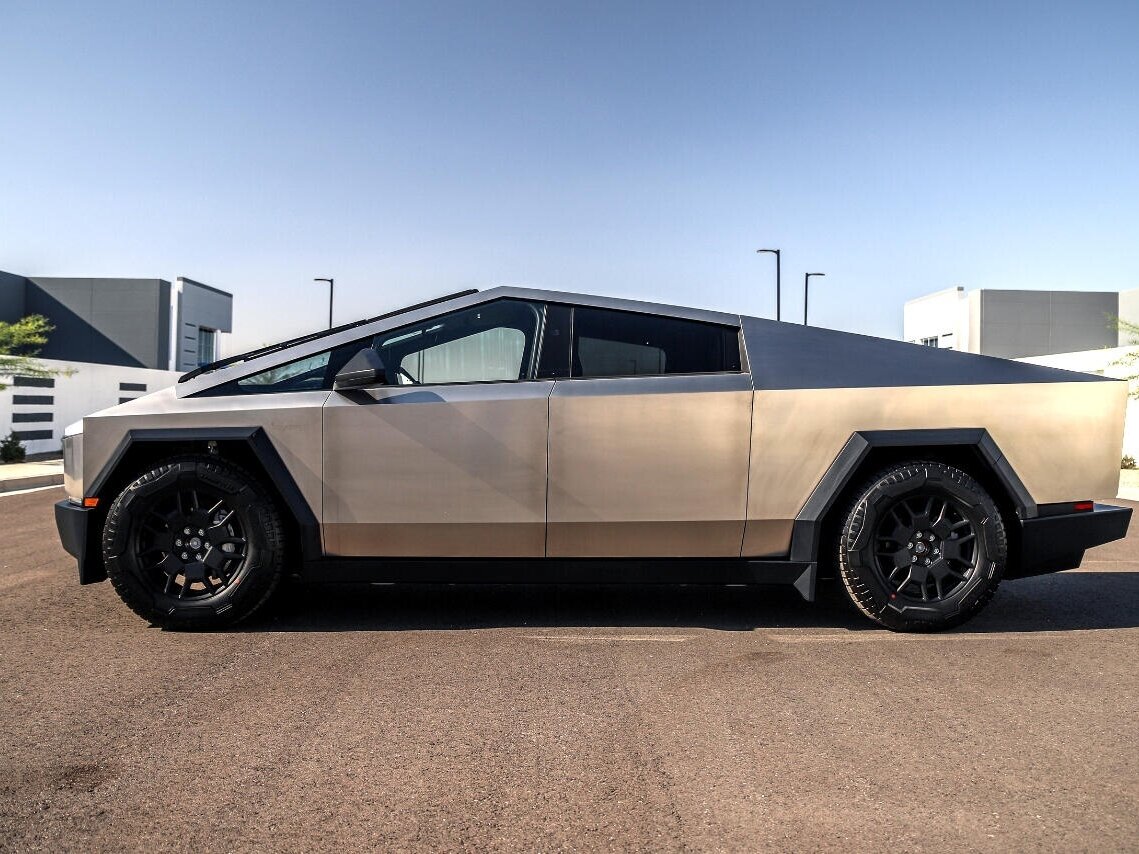
Musk had predicted Tesla could sell about 250,000 Cybertrucks a year. Instead, the company has sold tens of thousands in total over the past three years. Before construction began, Tesla had described its Texas plant as the “Cybertruck factory,” underscoring the vehicle’s once-central role in the company’s plans.
The production change aligns with Tesla’s push toward artificial intelligence and robotics, particularly its robotaxi program. The company has spent the past two months testing Cybercabs on Austin, Texas, streets and says it plans to expand operations to other cities, beginning with Dallas later this month. Tesla also operates robotaxi versions of its Model Y SUVs in Austin, Houston, Dallas and three cities in Florida.
Ending Cybertruck production would be Tesla’s third product discontinuation tied to the shift. Earlier this year, the company decided to end production of the Model S sedan and Model X SUV, repurposing the space for Optimus humanoid robots.
Tesla first announced the Cybertruck in 2019. At a reveal event that year, the company said the pickup would start below $40,000 and offer up to 500 miles of range. It met neither figure. The truck was delayed by two years, partly because of the Covid-19 pandemic, and arrived in late 2023 with a base price of about $60,000 and more than 100 miles less maximum range than initially promised.
Sales have struggled amid the truck’s polarizing design and higher-than-expected price. In 2024, Musk became a major financial backer of Donald Trump, making the distinctive vehicle a target for protesters. That continued in 2025, when Musk led the Department of Government Efficiency, which fired thousands of federal workers.
Comments (0)
No comments yet. Be the first!