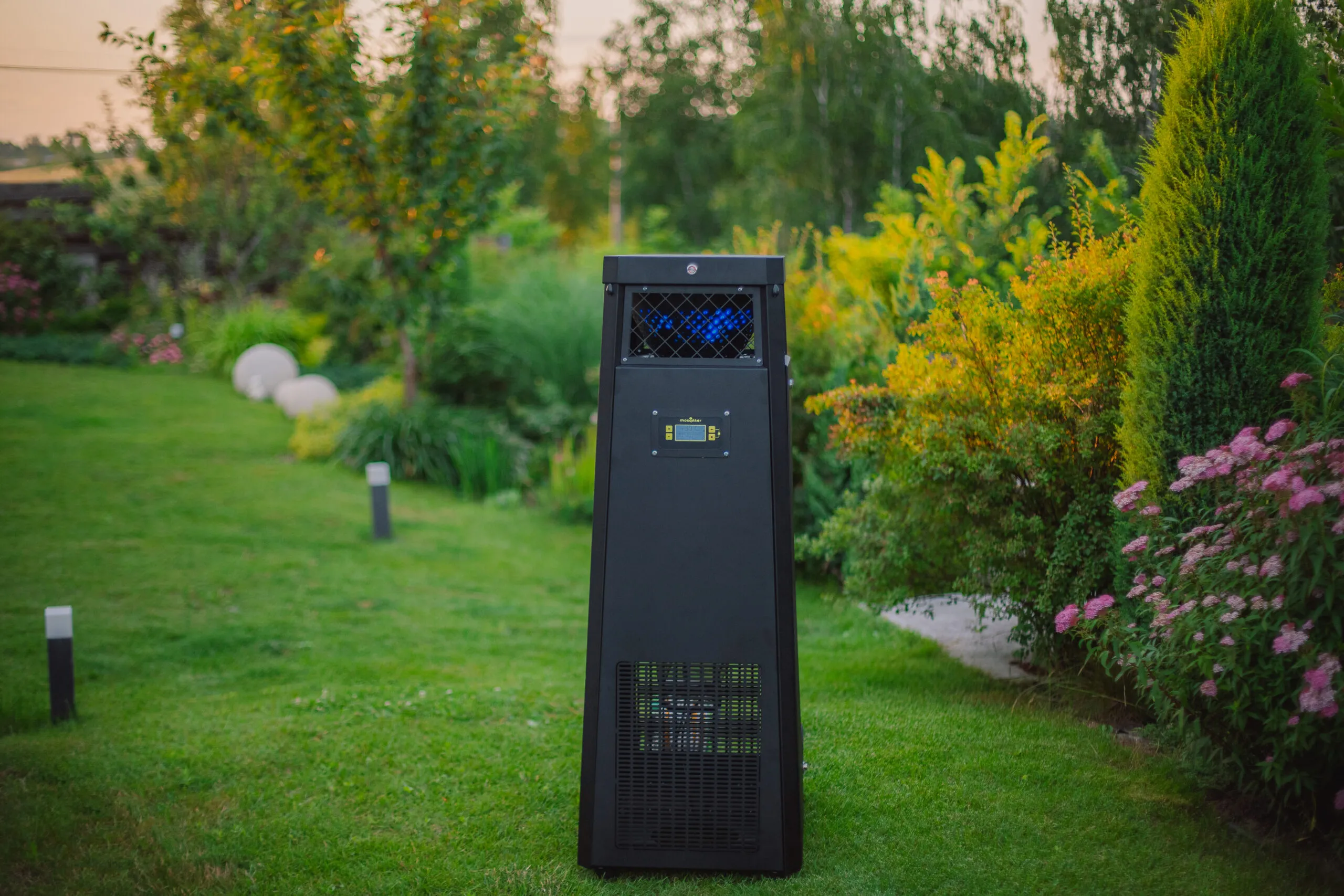
The company, which launched operations in 2021 after R&D in Ukraine, currently operates over 5,000 devices across five continents. Its hardware mimics human skin temperature, odor, and breath to lure female mosquitoes, which are the primary vectors for disease. While the devices were initially designed solely to reduce local populations, CEO Anastasiia Romanova says the startup is now integrating computer vision to classify captured insects. The system uses a neural network to analyze biological characteristics, validated by entomologists and environmental data like humidity and wind patterns.
Next month, the startup will launch its Febris Monitoring System, a data platform aimed at institutional clients such as airports, municipalities, and public-health agencies. While the hardware remains a revenue pillar—with the Mini unit priced at $199 and the professional Grand model at $1,999—the company expects its data services to scale rapidly. Mosqitter projects revenue from Febris to exceed $3.5 million next year, supported by active deployments in regions like Brazil and ongoing collaborations with the UK Health Security Agency. The startup is currently raising a $5 million funding round to support this shift toward large-scale, subscription-based disease tracking.
Comments (0)
No comments yet. Be the first!