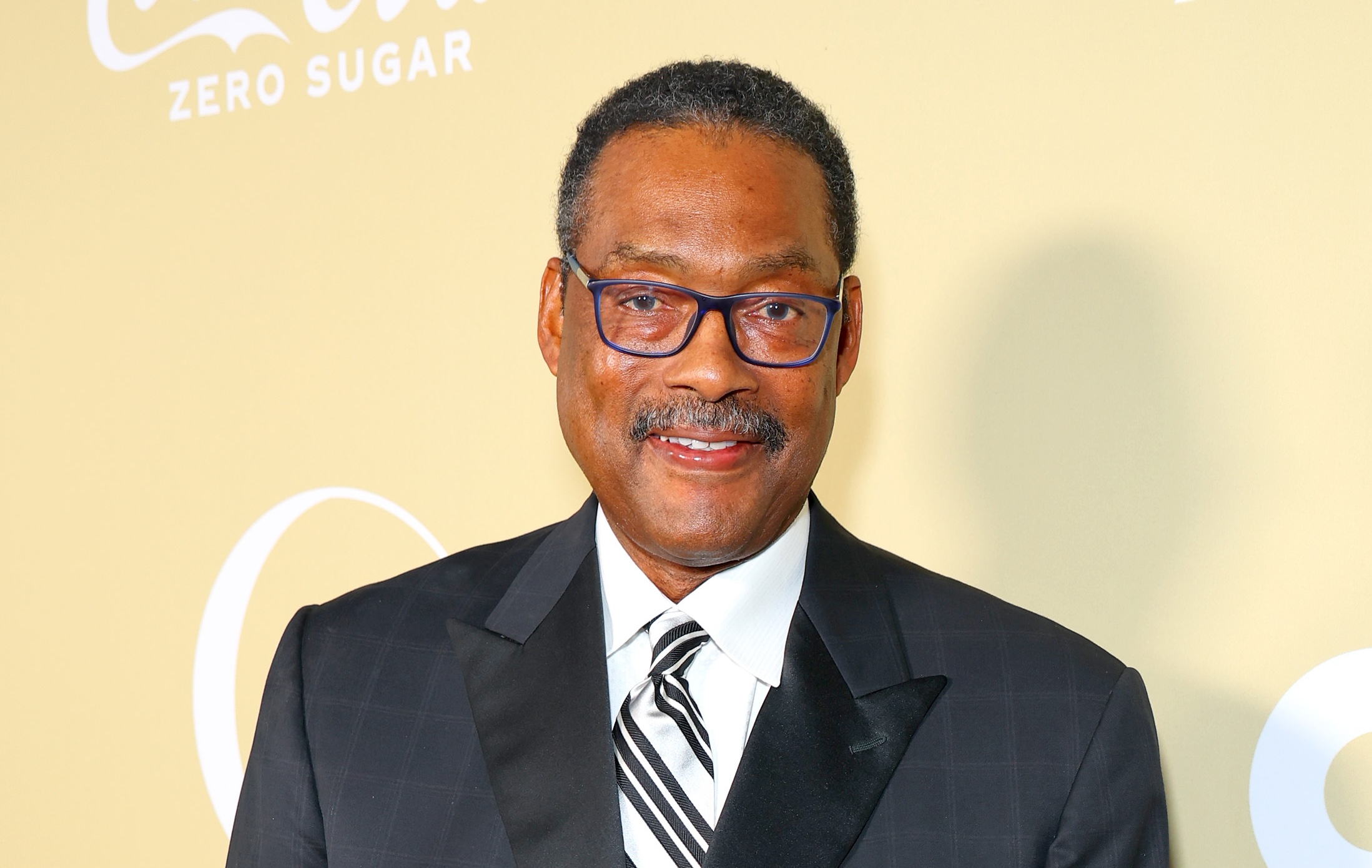
Bridgeman later became chief marketing officer of Manna, Inc., a restaurant franchise operator. Her father, the late Ulysses “Junior” Bridgeman, bought EBONY and JET at a bankruptcy auction in 2020, and she took the reins of EBONY in 2021. In an interview after the magazine’s 2026 Power 100 gala, she discussed the shift from restaurants to media, her leadership approach and how she defines influence.
The biggest difference she found in media was the number of interests involved: audiences, advertisers, distribution platforms, creators, technology and, increasingly, commerce and experiences. Those groups do not always want the same things, she said. Bridgeman also distinguishes cultural attention from financial returns: content can perform well culturally without generating meaningful business value unless the company has built the infrastructure to support it.
She applies lessons from restaurants to EBONY, including frequency, consistency and close measurement of performance. Rebuilding the business, she said, has meant strengthening operations, sales, partnerships, content, distribution and ways of measuring results. The challenge is to modernize without losing the qualities that made the brand matter to generations of readers. “Legacy gives you permission to enter the conversation,” she said. “Relevance determines whether people continue listening.”
Bridgeman describes her father’s leadership philosophy as an “inverted pyramid”: a leader’s role is to support the people doing the work, remove obstacles and provide clarity and accountability. She sees opportunities for legacy media beyond publishing, in areas such as original intellectual property, experiences, commerce, partnerships and new distribution. For EBONY, she said, history is an advantage, but younger audiences must choose the brand for themselves. She defines power by its impact—whether it shifts conversations, opens doors or creates opportunities for others.
Comments (0)
No comments yet. Be the first!