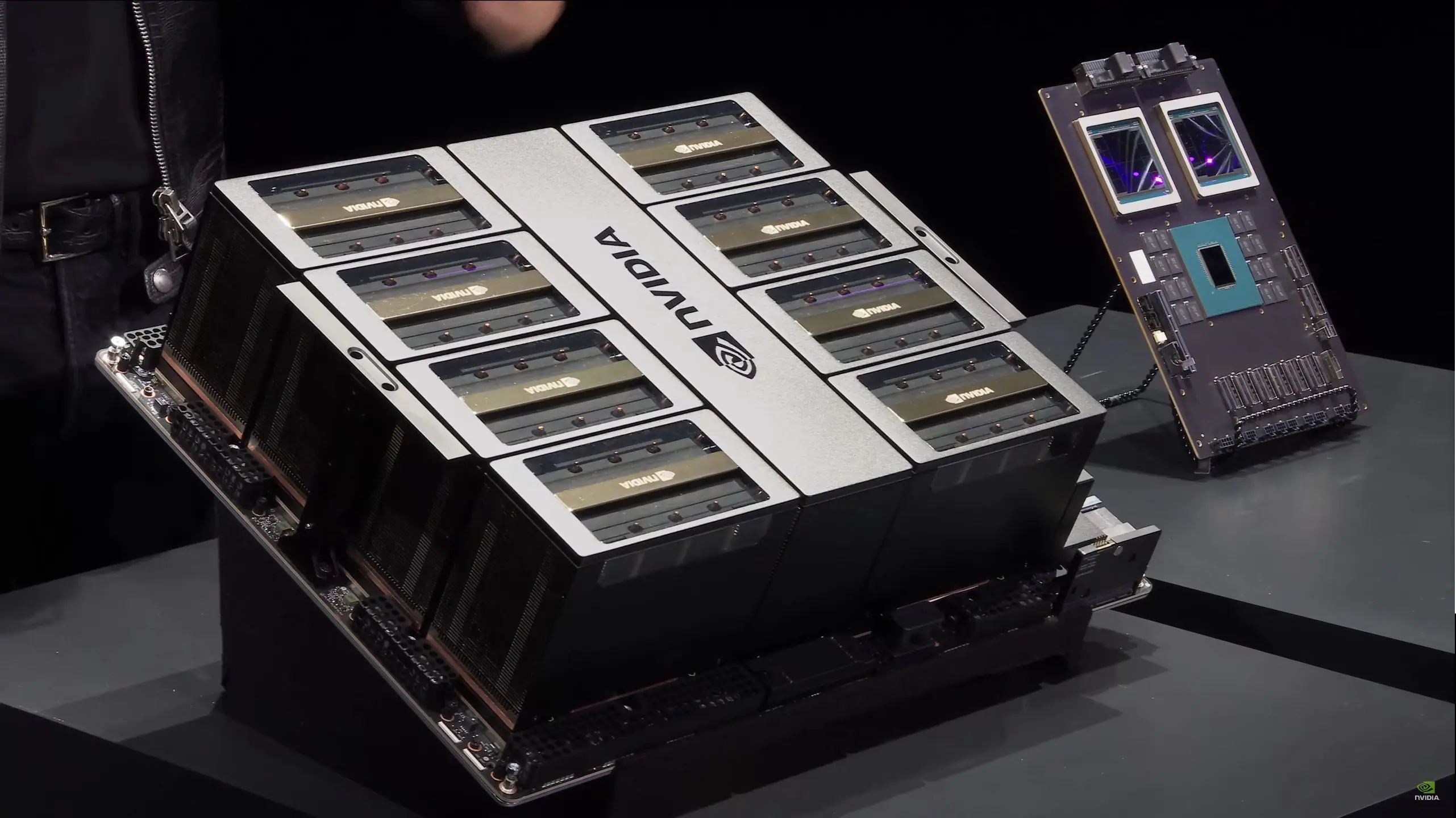
Will DePue, a former OpenAI researcher who leads Unemployment Labs, examined the weights—the structures shaped by a model’s training—of systems released by DeepSeek, Moonshot AI, MiniMax and Ant Group. He found what he described as compelling evidence that prominent releases, including Moonshot’s Kimi K3 models and DeepSeek’s V4 models, were trained on Blackwell chips. That does not establish that the models were trained entirely on them or that export laws were broken: Chinese firms can access computing power at offshore data centers, including in Malaysia.
The US allows Nvidia to ship the less powerful H200 to China under conditions that include a circuitous route and a 25% tariff, but Blackwell GPUs are prohibited from export to China and Chinese-owned firms. White House technology adviser Michael Kratsios said earlier this year, citing US intelligence, that Moonshot had used restricted Nvidia chips. Epoch AI estimates that about two million advanced chips entered China in 2024 and 2025 through schemes intended to conceal their final destination. It estimates that Malaysia imported 275,000 Nvidia AI accelerators over the same period.
Megaspeed, led by Alice Huang, has drawn scrutiny over chip shipments through its subsidiary Speedmatrix. US and Singaporean authorities have investigated the company, and Bloomberg reported that a firm linked to Huang was involved in smuggling banned Nvidia chips to a Shanghai data center. A May report by short seller Culper also alleged that Megaspeed had ties to Chinese firms barred from accessing US chips, and argued that Nvidia’s China exposure included demand served through remote data centers and smuggling. Those allegations have not, in the source material, been established as findings of a legal violation.
The restrictions aim to keep China’s AI labs from using the most powerful chips, but researchers have questioned the focus on where chips are located rather than who uses them. Georgetown researcher Sam Bresnick told TechCrunch that allowing Chinese companies to use chips in Malaysia while barring access in mainland China, Hong Kong and Macau undermines the policy’s logic. Separately, about 600,000 H200 chips are reportedly stockpiled in Hong Kong, with no consensus on why they have not been cleared for import. Stanford scholar Graham Webster said he doubted withholding the chips would spur domestic production, given the scale of demand; other explanations include a possible trade deal or concerns about surveillance technology.
Nvidia and Jensen Huang have vouched for Megaspeed’s data centers, saying company officials visited to verify their legitimacy. If investigators establish that smuggling occurred and that Huang knew about it, the company could face greater legal exposure. The article also reports scrutiny of Commerce Secretary Howard Lutnick, whose department oversees export licensing, after reports that investigators missed suspicious buyers and were too close to Nvidia officials; Lutnick could reportedly lose his job.
Comments (0)
No comments yet. Be the first!