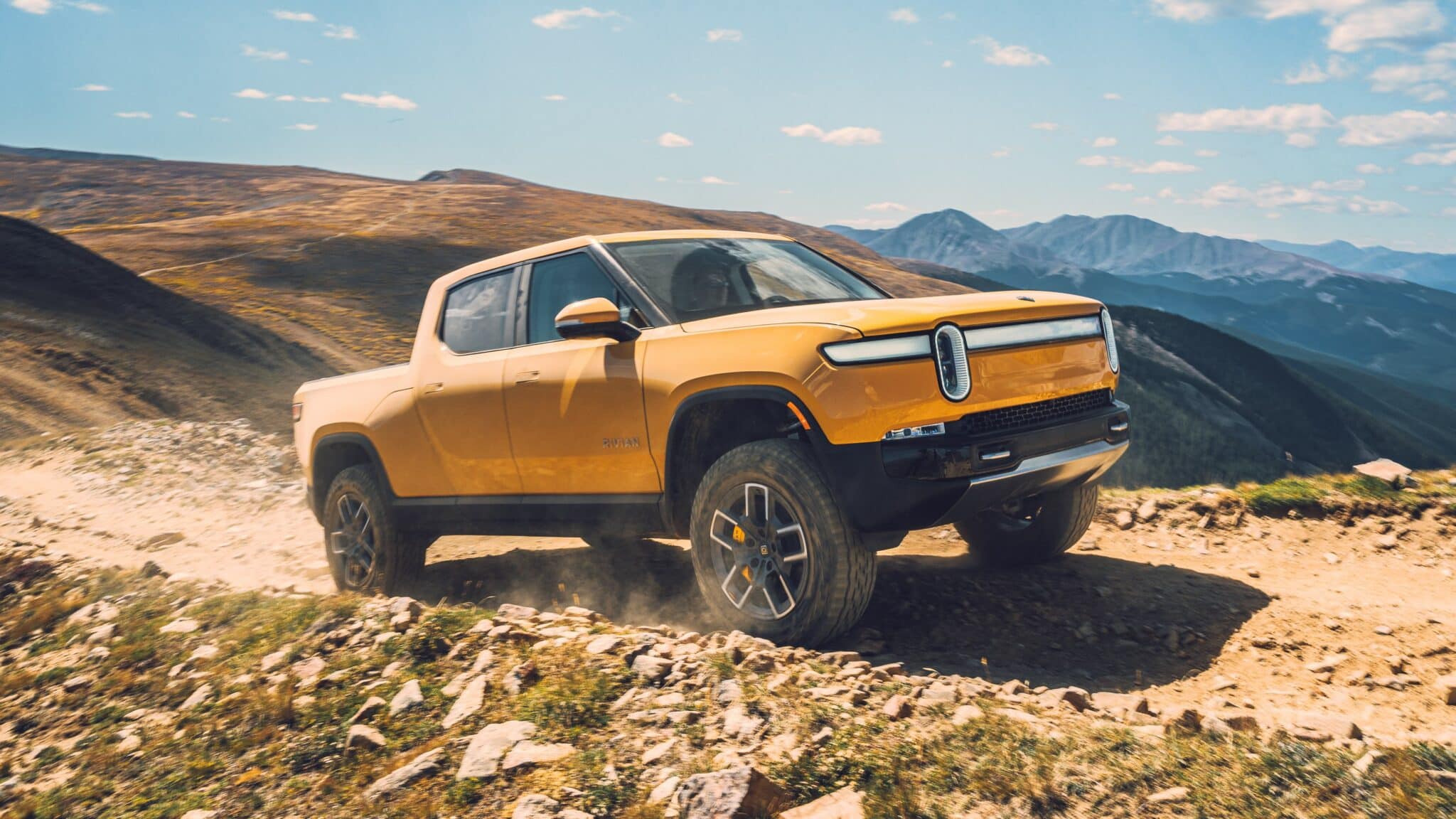
The complaint, filed Wednesday in the U.S. District Court for the Central District of California, targets a five-year marketing campaign that allegedly induced consumers to purchase flagship models under the guise of future-proof automation. Attorneys representing the plaintiffs argue that CEO RJ Scaringe and the company knowingly marketed their Driver+ system with capabilities that remained perpetually out of reach for Gen 1 owners. The suit asserts that no amount of software optimization can bridge the gap between the original vehicle architecture and the requirements for SAE-designated Level 3 autonomy.
Rivian declined to comment on the filing, citing ongoing litigation. The company currently faces legal pressure to address claims of fraud, negligent misrepresentation, and unjust enrichment brought by three named plaintiffs. This legal challenge arrives as the automaker attempts to distance its reputation from past controversies, including a $250 million settlement last year regarding sudden price hikes. While Rivian successfully implemented "Universal Hands-Free" driving in its revamped 2024 second-generation models—which feature a completely overhauled sensor stack and more powerful computing architecture—the lawsuit maintains that owners of the older R1 fleet were sold a promise that never materialized.
Comments (0)
No comments yet. Be the first!