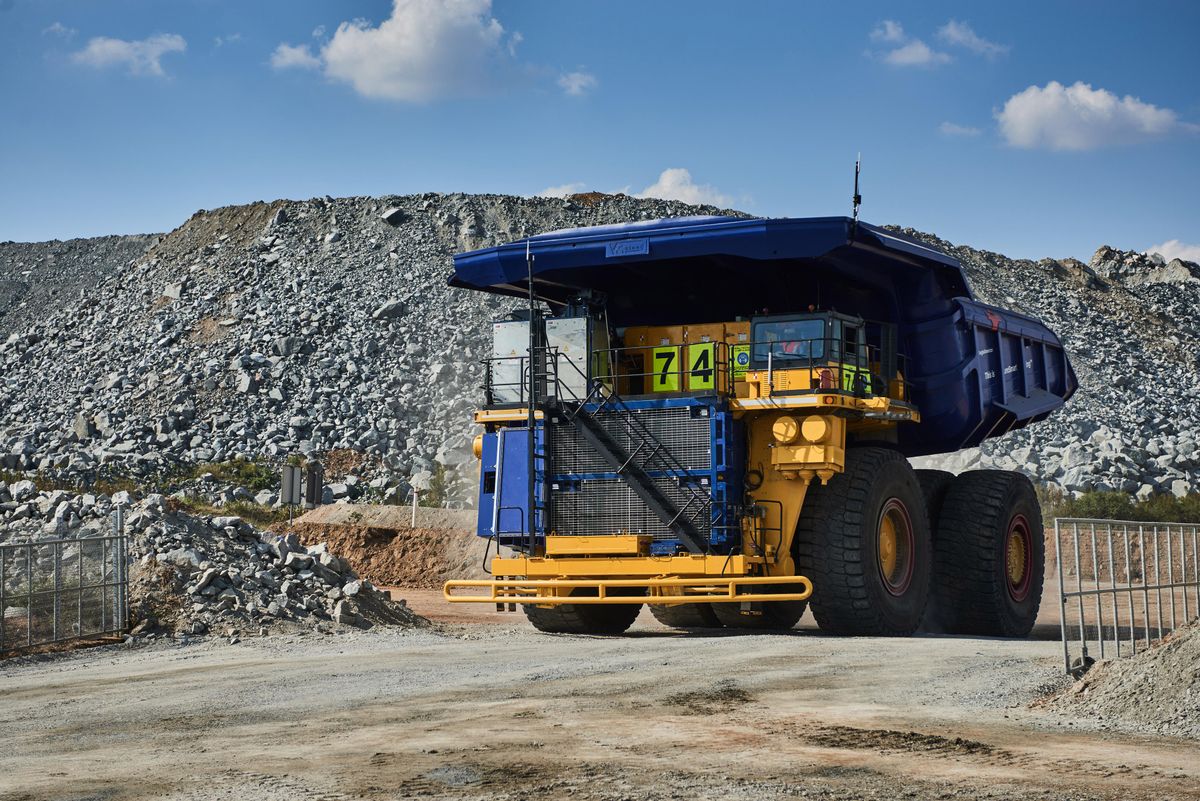
The core of the LNK Energies approach lies in Liquid Organic Hydrogen Carriers (LOHCs). While these chemical compounds have long been used to transport hydrogen, the reactors required to extract the gas were historically too bulky for mobile use. CTO Alexis Huynh notes that while competitors rely on shipping-container-sized equipment, LNK has managed to condense that footprint significantly.
This miniaturization eliminates the energy-intensive process of pressurizing hydrogen to 11,000 psi. Instead, the hydrogen is carried in liquid form and released on board as needed, utilizing the engine's own waste heat to drive the reactor. CEO Sayandeep Biswas emphasizes that this system allows hydrogen to be dispensed through existing diesel infrastructure, sidestepping the need for a massive, dedicated fueling network. The resulting hydrogen can either power a modified internal combustion engine or be fed into fuel cells for zero-emission propulsion.
While the team currently operates a lab-scale prototype, they expect to install a full-sized unit in a commercial vehicle within 18 months. Although the initial purchase price will exceed that of a standard truck, LNK projects that operating costs will hit $6.50 per gallon once production scales to just 50 or 100 units. The company will showcase its technology at the upcoming TechCrunch Disrupt event in San Francisco.
Comments (0)
No comments yet. Be the first!