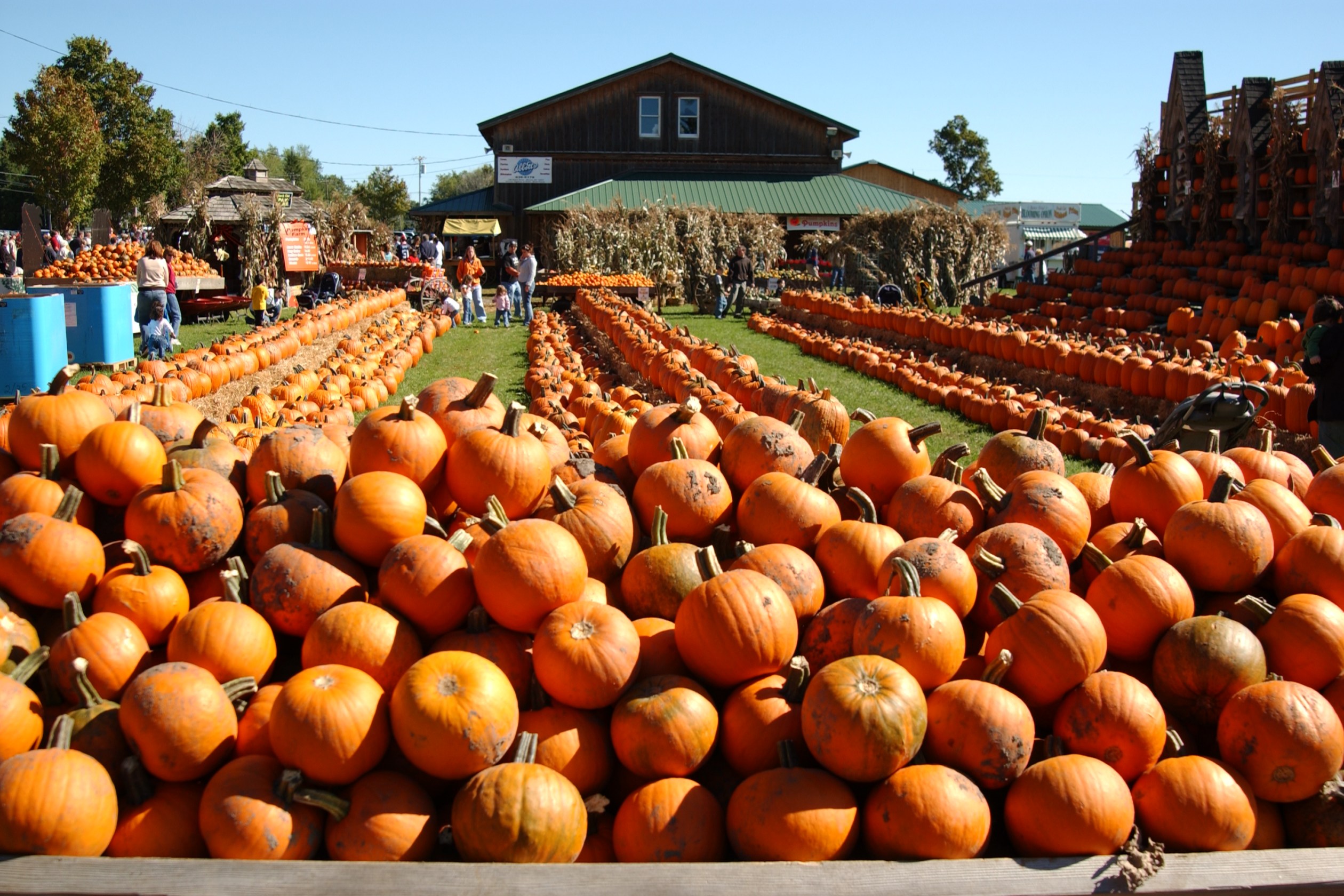
Schultz, who had no prior agricultural experience, purchased the 85-acre property for $650,000 after noticing the immense popularity of a poorly managed patch nearby. He realized that even with muddy lots and limited amenities, the demand for seasonal entertainment was staggering. By prioritizing the visitor experience, he transformed the former cattle farm into a robust destination featuring corn mazes, train rides, and pie-eating contests.
The business model capitalizes on the growing American appetite for Halloween spending, which is projected to reach $13.5 billion in 2026. With nearly three-quarters of consumers planning to celebrate and a trend toward earlier shopping, Schultz’s seven-week window has become a highly efficient commercial operation. Weekend admission of $20 is bolstered by additional activity fees, proving that his initial gamble on an overlooked niche was a calculated success.
Comments (0)
No comments yet. Be the first!