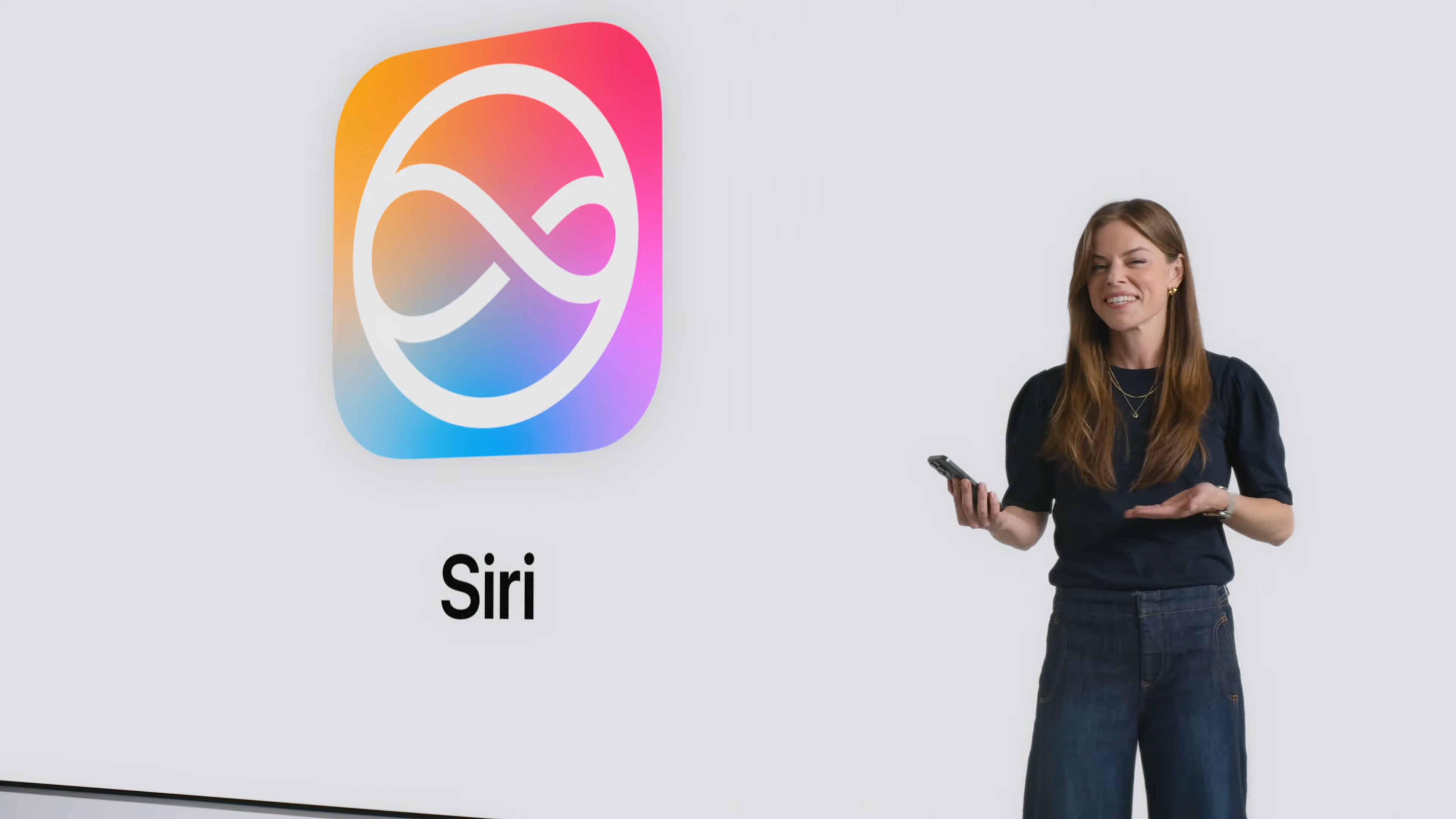
Apple’s strategy centers on "personal context," allowing Siri to pull data from native apps like iMessage, Notes, and Mail to perform tasks such as retrieving forgotten details from past conversations. During the WWDC keynote, Apple demonstrated how the assistant can scan a user's digital history to surface specific information, like a friend’s mention of a cookie recipe, effectively acting as a personal search engine. This shift toward an agentic assistant is bolstered by a focus on security, utilizing on-device processing and the company’s new Private Cloud Compute architecture to keep sensitive data isolated.
Despite the technical promise, the move invites a philosophical friction. While the prospect of automating mundane "life admin" is seductive, it risks the atrophy of essential human habits. As writer Calvin Kasulke notes, outsourcing the fundamental acts of listening and remembering may erode the very connections that define our social lives. Apple maintains that the system is strictly optional, offering a toggle that allows users to opt out entirely—a stark contrast to the forced integration seen in some of its competitors' recent search updates. Whether the convenience of a digital "second brain" outweighs the risk of becoming dependent on an algorithm remains a personal choice for every user.
Comments (0)
No comments yet. Be the first!