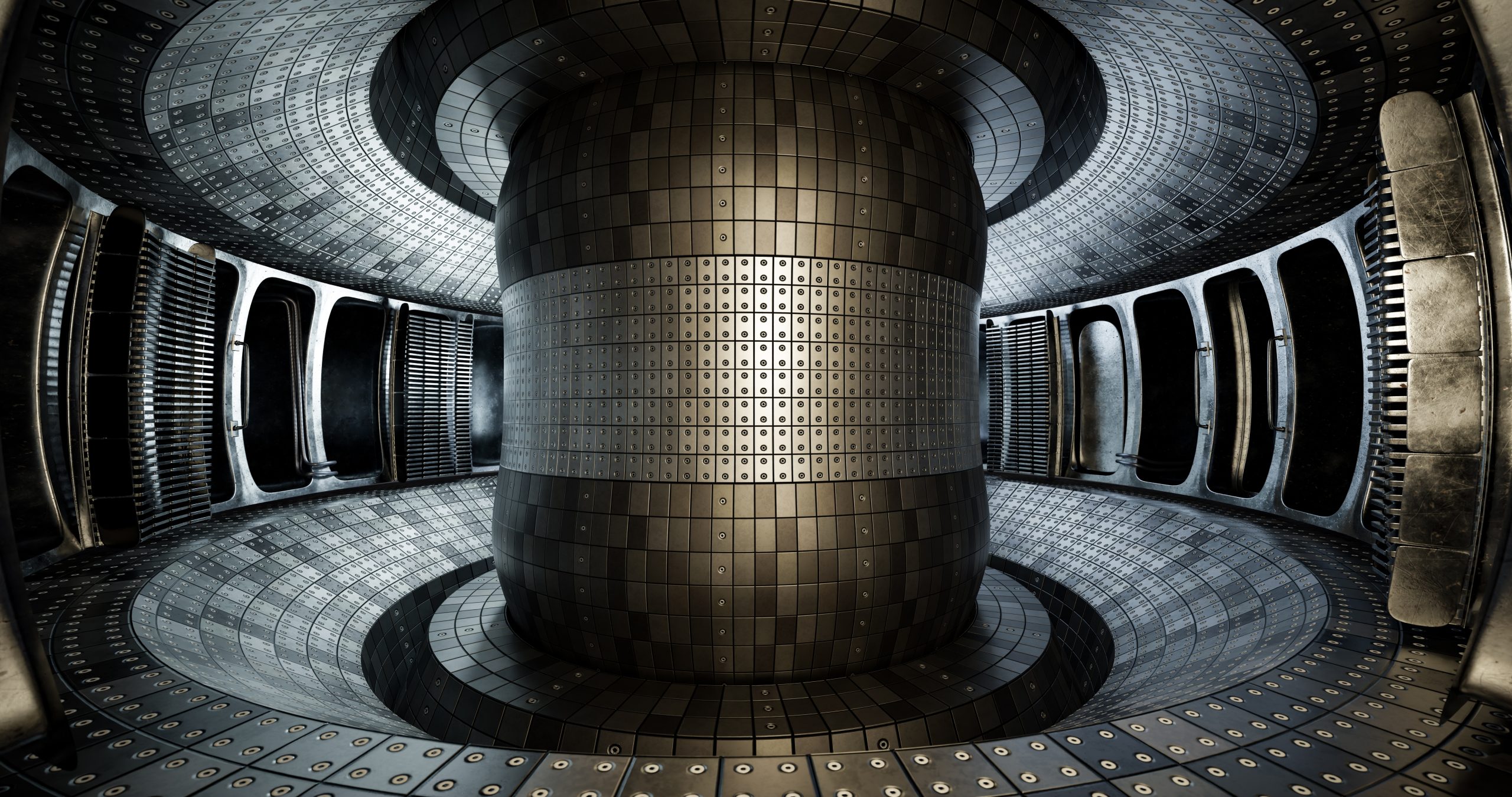
Physicists quantify this achievement through particle energy, measuring the plasma at roughly 1 keV. This level of thermal intensity is the industry benchmark for proving that a reactor can sustain the conditions necessary for atoms to fuse and release energy. While the company has not yet submitted these results to a peer-reviewed journal, they report that a plasma physicist at MIT has validated the findings.
Unlike the massive, multi-megawatt reactors favored by industry incumbents, Avalanche is betting on a modular, iterative approach. Their current device, dubbed Jyn, features a fusion core just five inches in diameter. Since last autumn, engineers have updated the hardware 25 times, a pace of development enabled by the smaller scale. If this strategy translates into a functional power plant, the startup could eventually displace conventional energy sources like diesel generators and natural gas turbines with compact, high-efficiency fusion units.
Comments (0)
No comments yet. Be the first!